
Profile view of a bearded man wearing a black baseball cap and a dark gray T-shirt against a plain light background.

How often to flush a water heater in Arizona

Step 1 of 3: Equipment

How often should I flush my water heater in Arizona?

Arizona's water is hard enough that most homeowners here have heard they need to flush their tank, but nobody tells them how often actually makes sense for this state. You're not trying to baby the thing, you just don't want to pay for a new water heater years before you should. With the heat and the water quality here, the schedule that works in other states doesn't quite apply.

Flush it once a year

Arizona's water carries a lot of dissolved minerals, and every gallon that passes through your tank leaves a little calcium and lime behind. That sediment settles at the bottom and builds up faster here than it does in places with softer water. Once a year keeps it from piling up enough to matter. Skip it for a few years and the layer gets thick enough to insulate the bottom of the tank from the burner or the heating element, so the unit works harder and runs longer to heat the same amount of water. Electric elements can also burn out sitting under a crust of scale. A yearly flush clears that sediment out before it has a chance to cost you in either higher power bills or a shorter life for the tank.

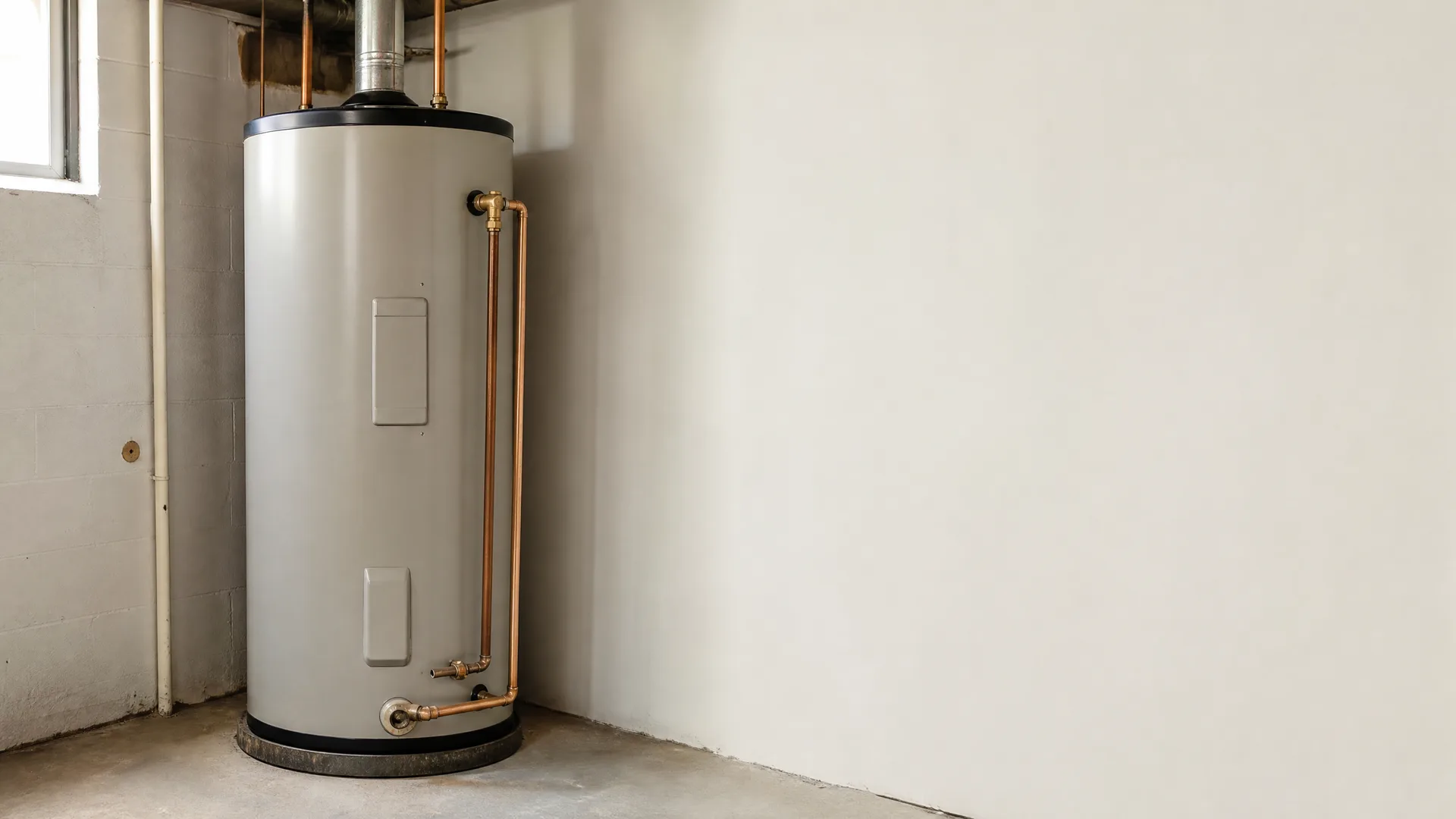
A tall gray cylindrical water heater with copper piping and a flue stands in the corner of an empty basement room with concrete block and painted walls.

Why Arizona's water causes this

Groundwater across Arizona carries more dissolved calcium and magnesium than water in most states. Every time the tank heats, some of that mineral drops out and settles on the bottom as sediment. A tank that never gets flushed builds up a layer that acts like insulation between the burner or element and the water above it, so the system works harder to do the same job.

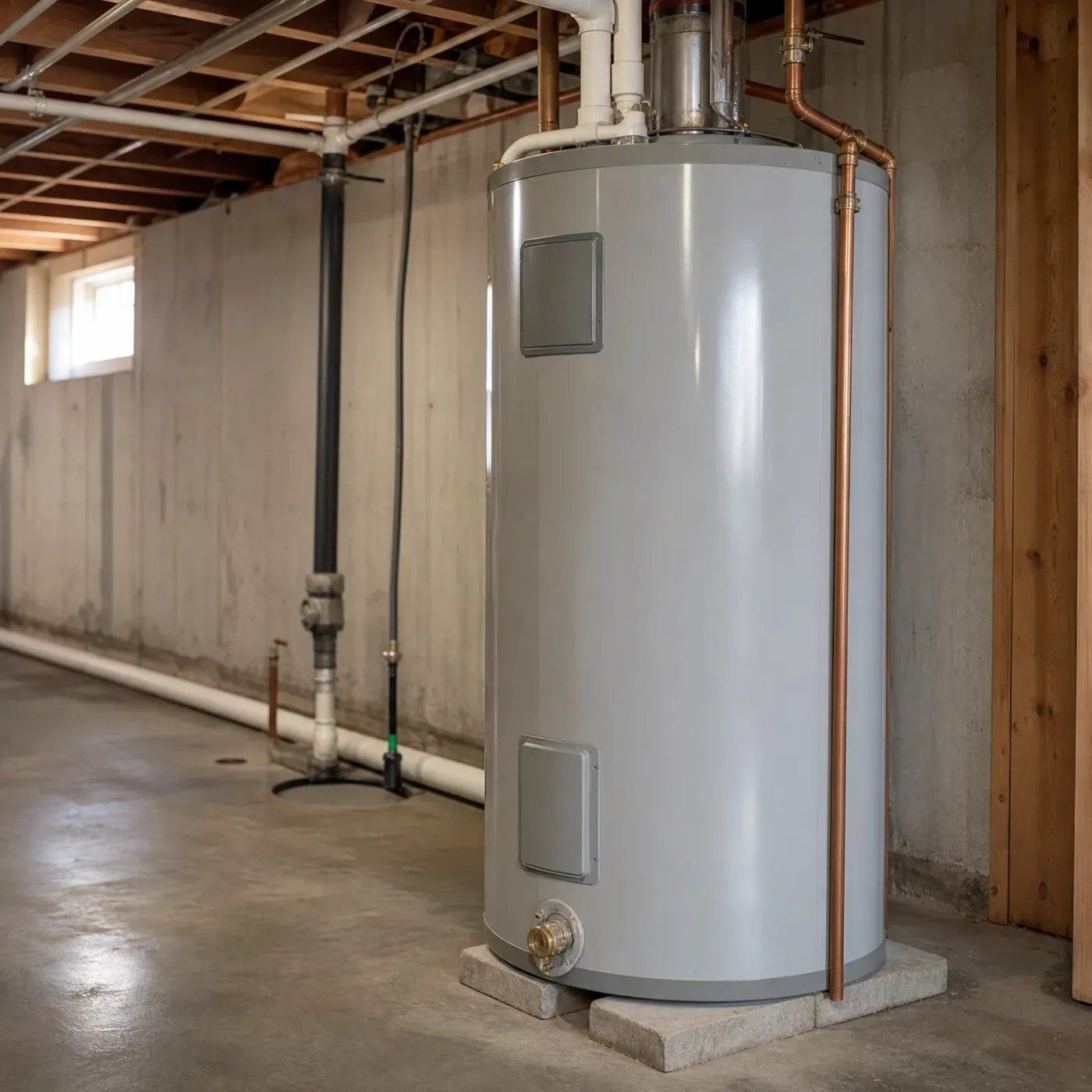
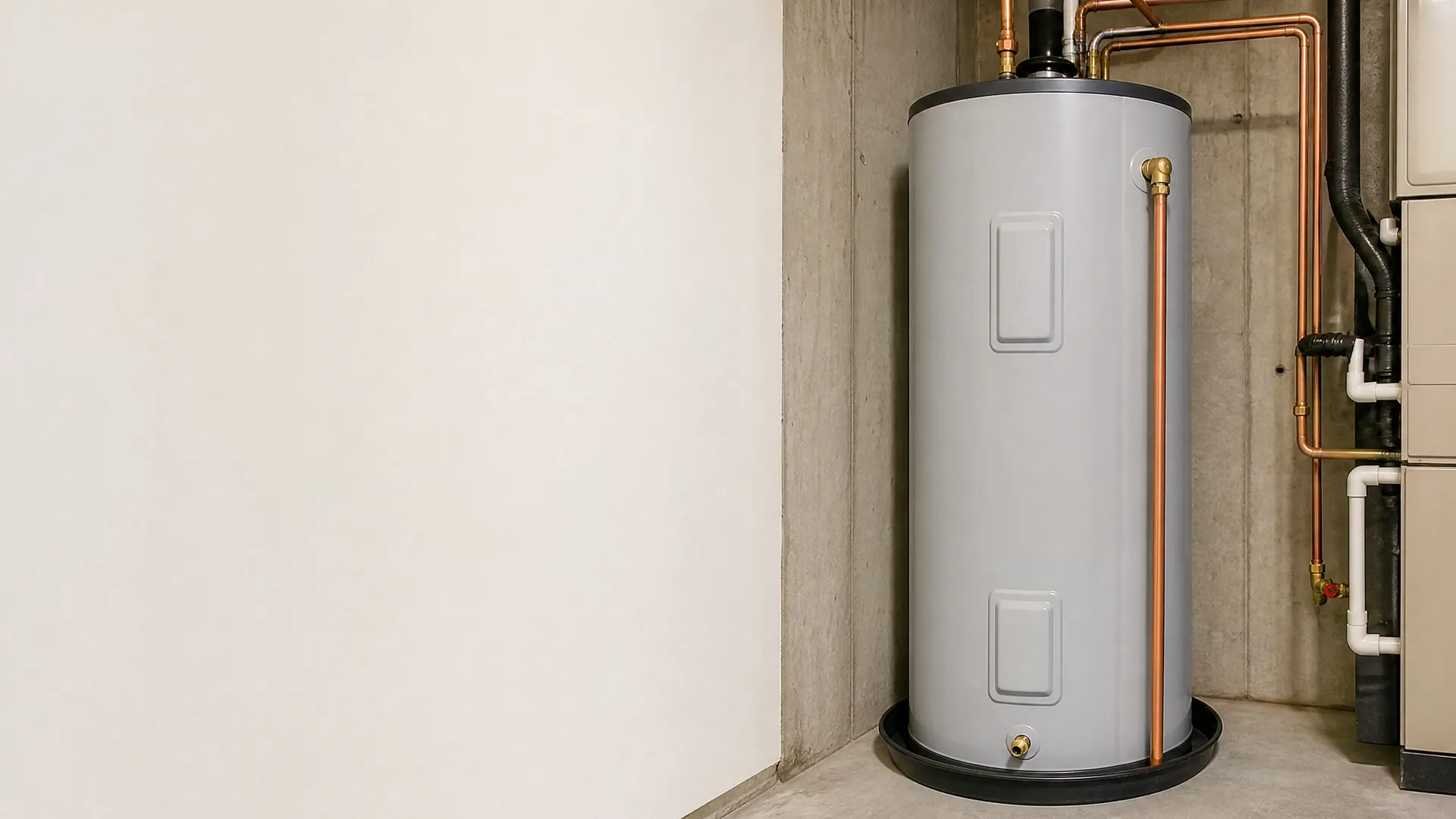
A gray cylindrical water heater stands in a drain pan against a concrete wall, with copper and white pipes running along the wall to the right and a plain light wall on the left.

What sediment does over time

A thick layer of sediment traps heat against the bottom of the tank, and on a gas unit that can scorch the metal and cause popping or rumbling sounds. On an electric unit, the lower element ends up buried in it and can burn out sooner. Flushing clears that layer out before it causes a breakdown that leaves you without hot water.

A closed laptop and a cream mug of coffee on a coaster sit on a dark wooden table, with a potted plant at left and a kitchen counter, tiled backsplash and shelf of ceramics in the background.

What a neglected tank costs you here

Sediment sits between the heating element and the water, so the element works harder to do the same job. On an electric water heater that shows up as a higher bill, not a louder one, so a lot of homeowners never connect the two. Left long enough, the sediment can bake onto the lower element and burn it out early, which means a repair that flushing would have prevented.

You can hear it sometimes before you see the bill. A tank that pops or rumbles when it heats has sediment hardening on the bottom. If yours has gone a year or more without a flush and you want someone to check it before it turns into a replacement, sending one request beats calling around to a handful of plumbers, describing the popping sound to each one, and sorting through whatever quotes come back.

A living room corner with a light beige sofa holding a textured taupe cushion, a large ceramic vase of olive branches by a window, a framed neutral artwork on the wall, and a dark bowl with stacked books in the foreground.
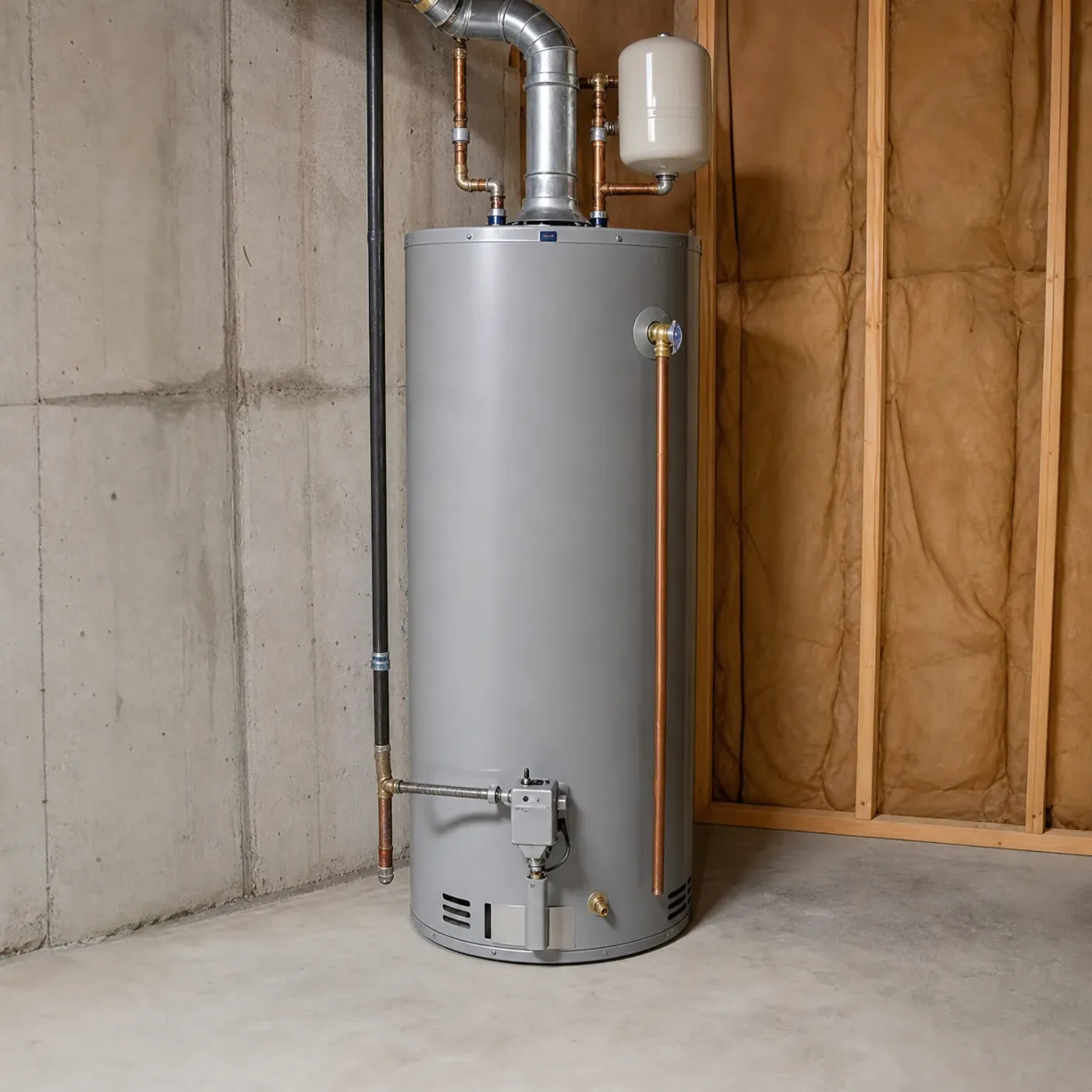
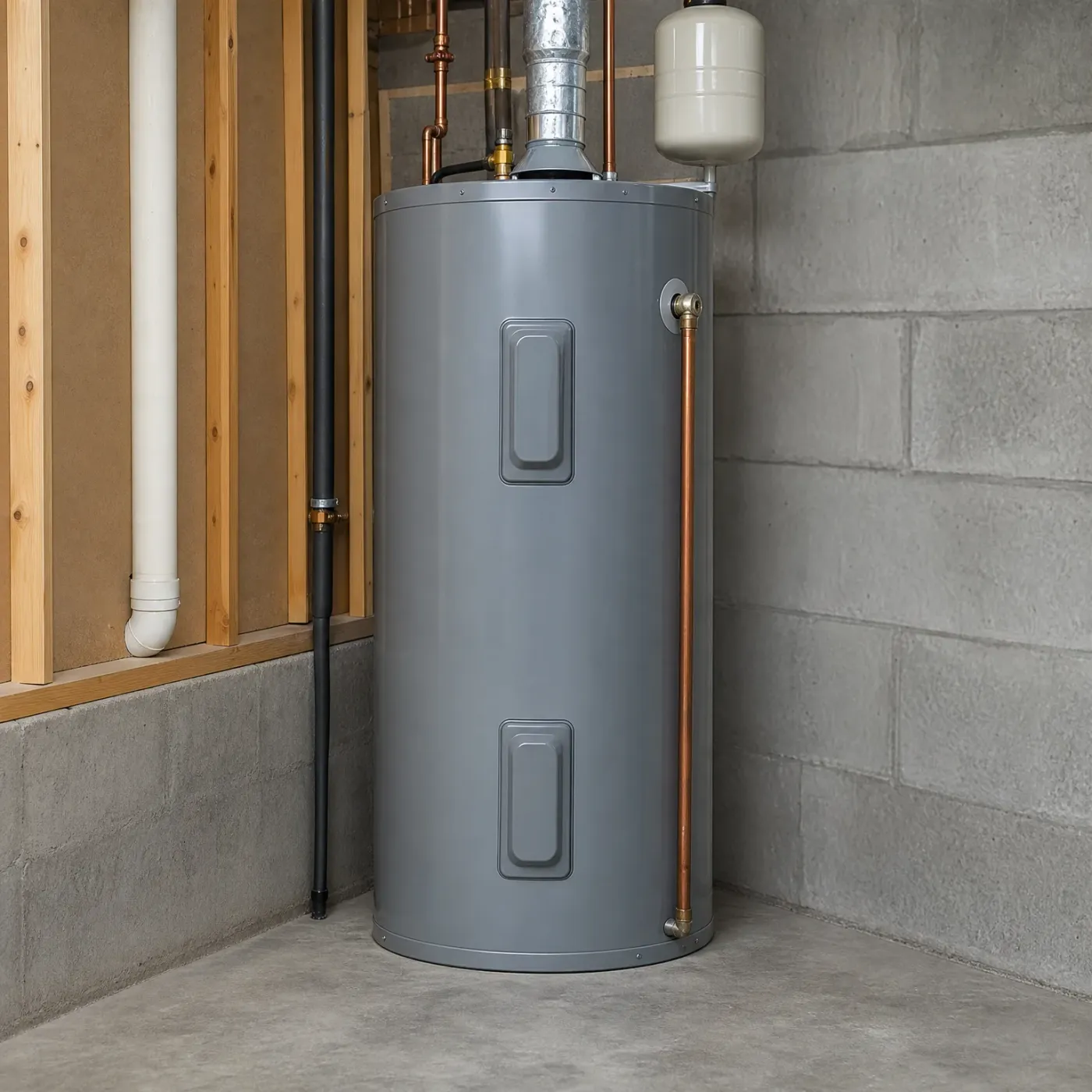
A gray cylindrical water heater with copper piping and an expansion tank stands in a basement corner beside a concrete block wall and exposed wood framing.

Flushed on schedule

This is what a tank looks like when the sediment gets cleared before it builds up. The fittings stay clean, the connections stay tight, and the element underneath isn't buried in scale. It heats water the way it did the day it went in.
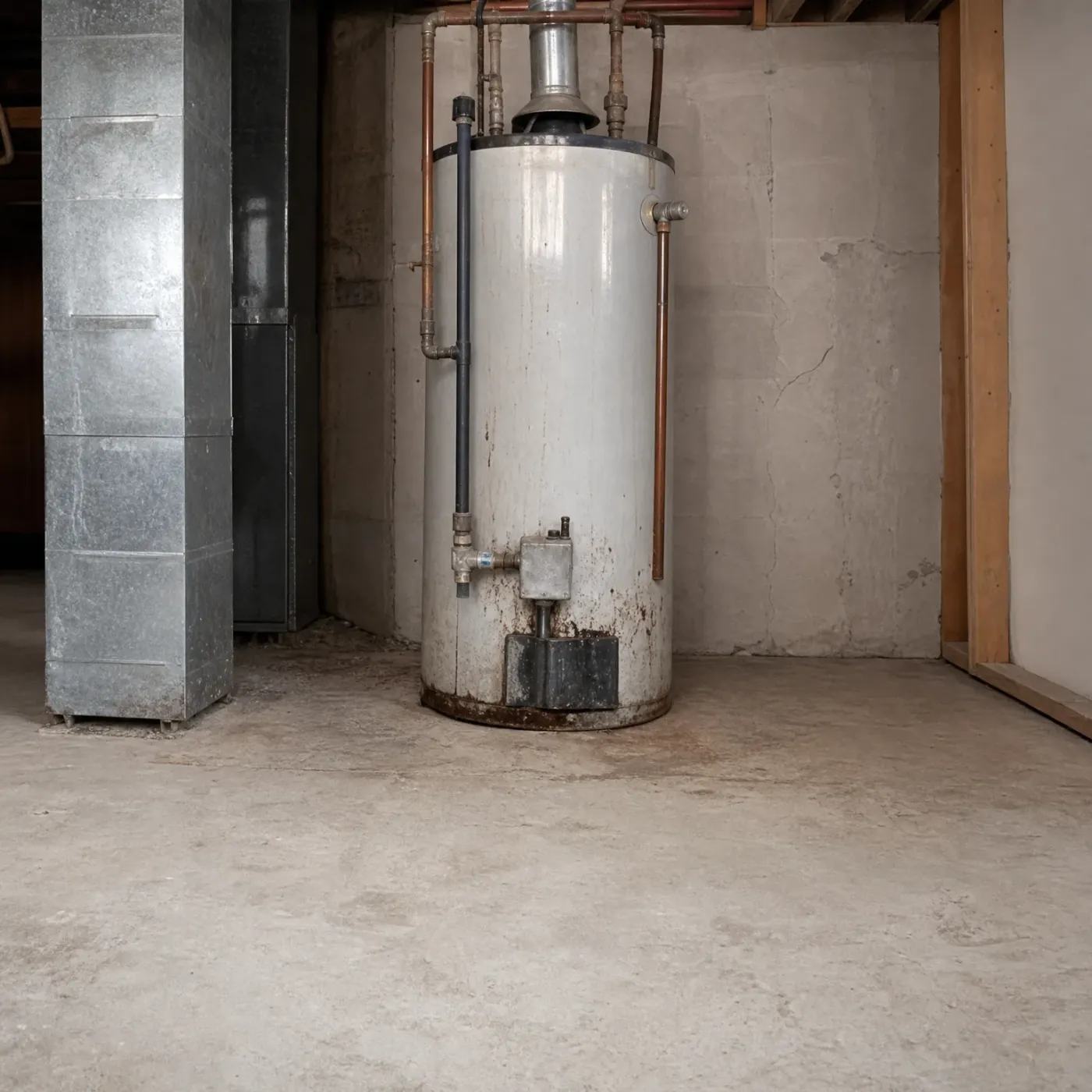

An old rusting cylindrical gas water heater with copper and steel pipes and a flue stands against a concrete basement wall beside metal ductwork on a bare concrete floor.

Years without a flush

This is what sits in a lot of Arizona basements and garages. Years of hard water left untouched, and the tank shows it from the outside now, not just inside where the sediment hides. By the time rust reaches the tank wall, flushing won't undo the damage already done.

A man in a blue sweatshirt reclines with closed eyes in a brown leather armchair in a living room with a bookshelf, houseplant, sofa, window, and a side table holding newspapers and a dark mug.
A bearded man in a gray pullover reclines with closed eyes on a brown leather sofa in a sunlit room with a window, framed picture, potted plant, and a wooden cabinet holding papers and a dark mug.
A man in a gray sweater leans back with closed eyes in a brown leather armchair beside a wooden side table holding a dark mug and a folded newspaper, with bookshelves and a window seat behind him.
A man in a green sweater reclines in an armchair with his eyes closed and a slight smile, beside a window with plants, a small table holding a mug and folded newspaper, and bookshelves behind him.
A large white cylindrical water heater on concrete blocks in a basement with poured concrete walls, exposed joists, copper and PVC piping, and a small window.

Let someone else find the pro

Fill out one form instead of calling around for a water heater tune-up.

Send it once and finding someone is no longer on you.

Skip the calls

You're not committing to anything by asking.

Is my water heater already overdue for this?

Check the bottom of the tank near the drain valve for rust streaks or a damp spot on the floor. Run the hot water and listen. A popping or rumbling sound means sediment has built up around the element and is hardening there. Hot water that takes longer to arrive than it used to, or runs out faster than it should for your household, points the same direction. Some homeowners notice the tank itself ticking as it heats. None of this means the tank is about to fail tomorrow, but sediment that sits long enough can crack a glass lining or burn out an element early, and either one means replacing the tank instead of just flushing it.

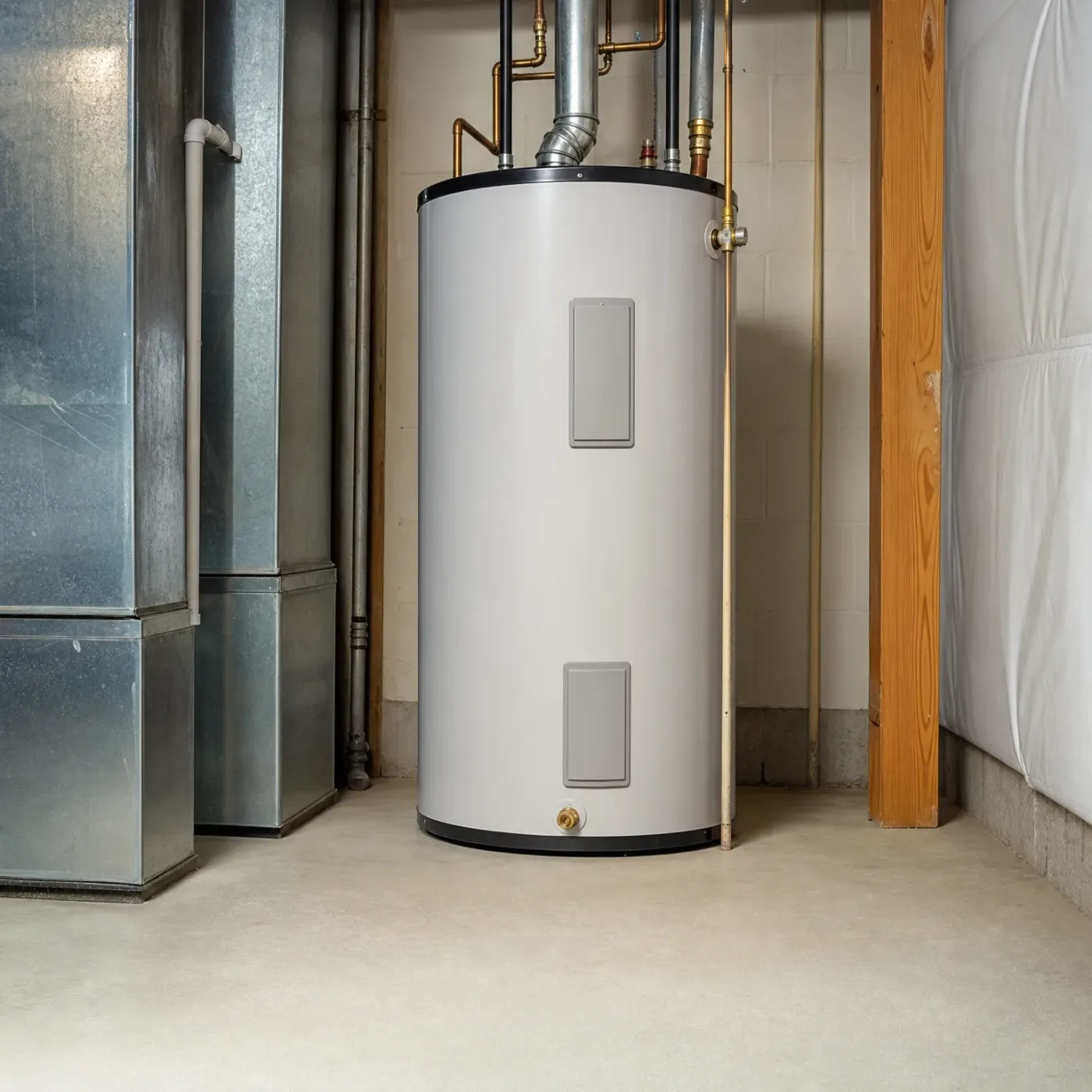
A white cylindrical water heater with two access panels stands on a concrete floor in a basement corner, beside galvanized ductwork, copper and metal pipes, a wooden post, and a concrete block wall.

Working the way it should

This is a tank that gets flushed before sediment gets a foothold. The drain valve at the base clears easily, the fittings at the top show no buildup, and the element inside heats water without pushing through a layer of scale first.

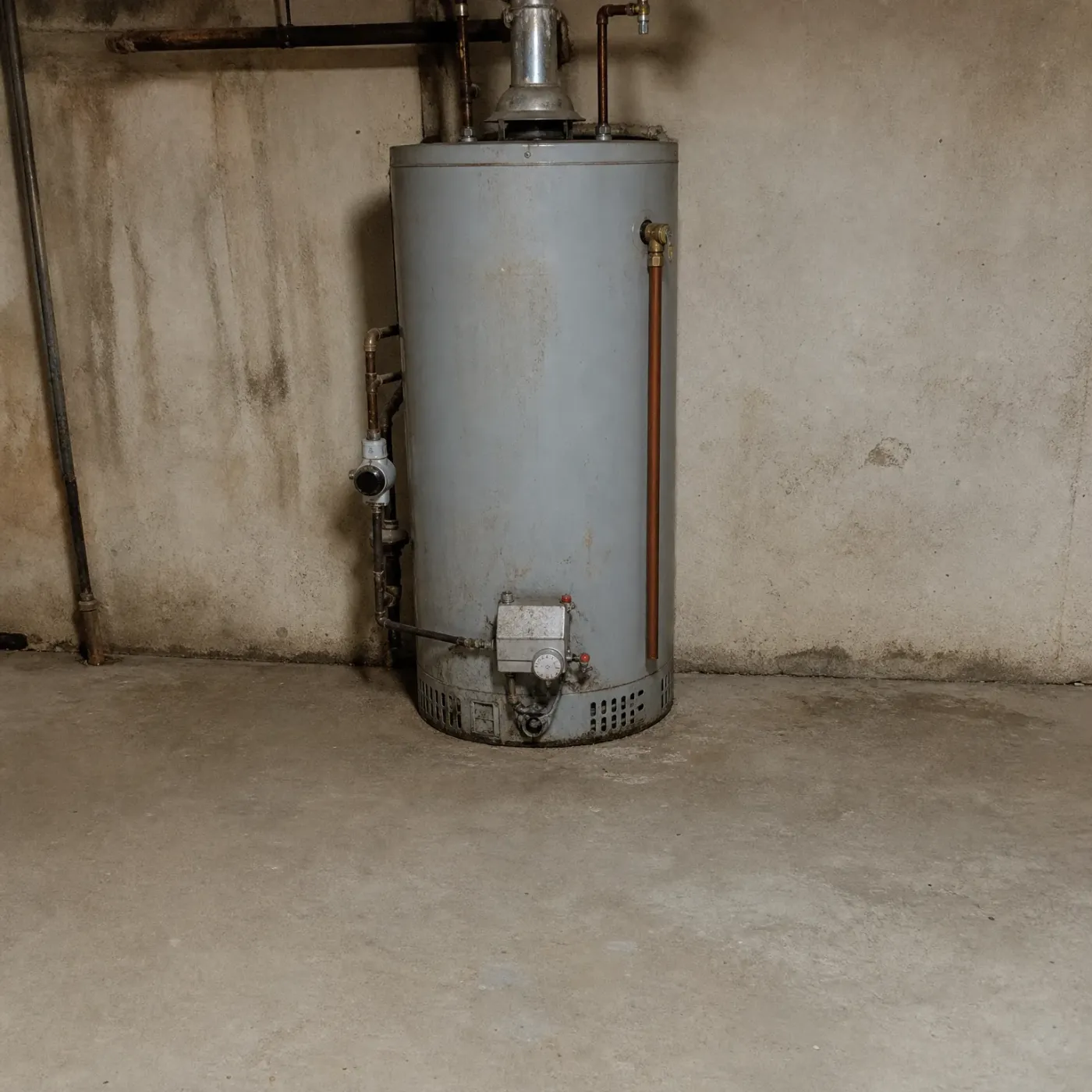
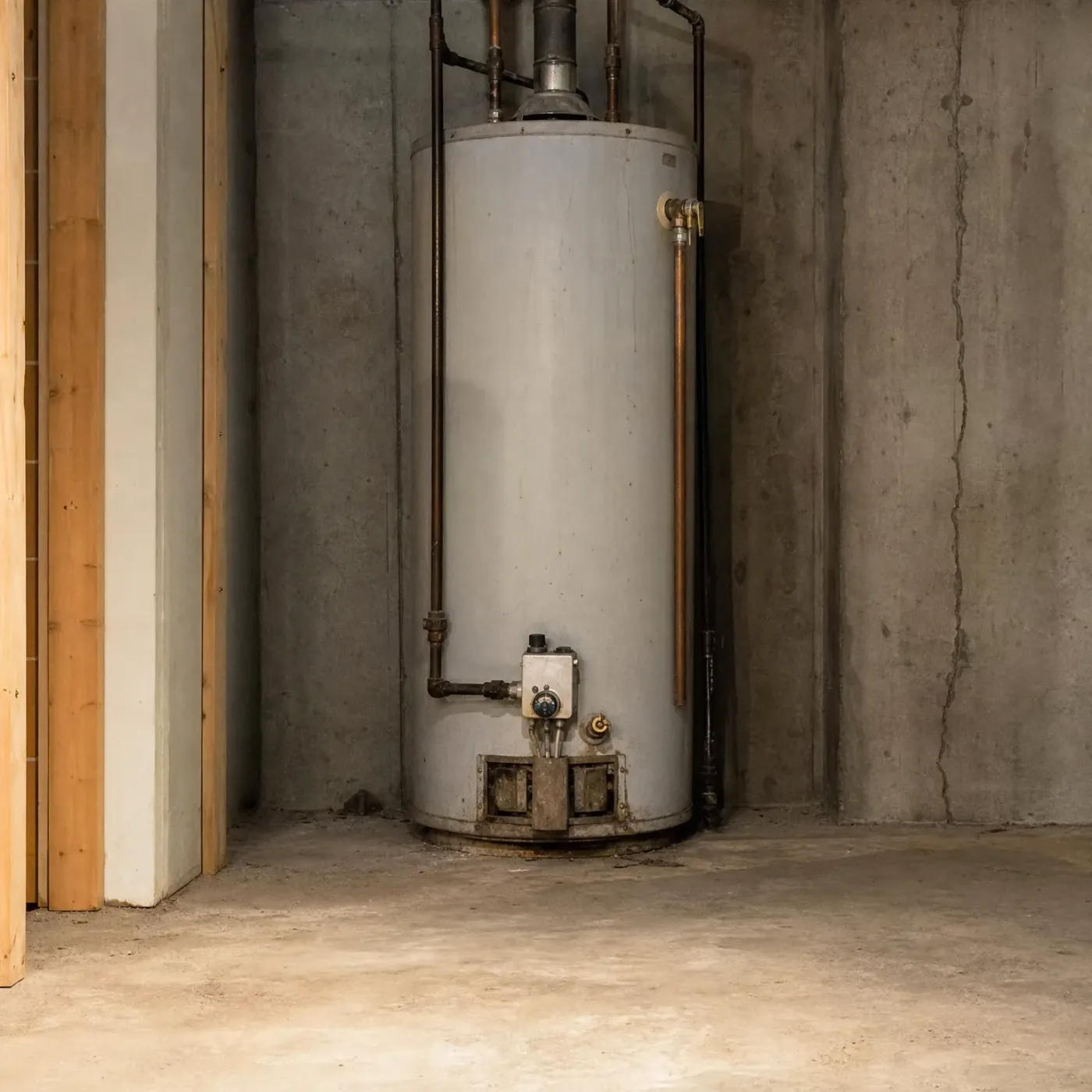
An older gray cylindrical gas water heater with copper and steel piping and a flue, standing on a concrete floor against a stained concrete wall.

What gets missed for years

This tank has sat against the wall long enough that nobody remembers the last flush. The pressure relief valve and flue vent still look fine from here, but sediment has likely been settling at the bottom the whole time, unseen until the popping starts or the hot water runs short.

Flushing it yourself or on a schedule

DIY flush

  • You shut off power to the element first, since an electric water heater can burn out an element if it runs dry.
  • You need a hose that reaches a drain or the outside, and about 20 to 30 minutes where the tank is actually draining.
  • You're the one who has to notice it's time, twice a year, and actually set aside the time to do it.
  • If the drain valve is corroded or won't close back up tight, you're now dealing with a leak you created.
  • Doing it yourself means you get to see the sediment come out and judge for yourself how bad it was.
  • There's no record anywhere that it happened, so if you sell the house or forget, that history is gone.

Scheduled with a contractor

  • A contractor checks the anode rod and the fittings at the same time, not just the sediment.
  • You're not the one tracking the calendar or fitting it into a weekend, since once it's set up it just happens.
  • If the drain valve is stuck or starts leaking during the flush, it gets handled on the spot instead of becoming your problem.
  • You skip calling around for someone available, explaining the tank's age and symptoms again, and comparing quotes before anything gets done.
  • A second flush done the same way each time gives you something to compare against, rather than guessing if this time was worse.
  • Once it's booked, it stops being something you have to remember or manage at all.
A gray cylindrical gas water heater with copper piping, flue vent, and a small expansion tank stands in a basement corner between a concrete wall and an insulated stud wall.
A tank flushed on a regular schedule drains clear and fast, with the valve letting go of water without a fight.
An older gas water heater with copper and black pipes stands in the corner of a bare concrete basement next to a wood-framed partition wall.
This one has gone too long between flushes, and the sediment packed in at the bottom means a slow, gritty drain if it opens at all.

59.9% of homes statewide heat with electricity

Most Arizona homes run an electric water heater, not gas. That matters here because electric elements sit down in the tank, right where hard water sediment settles. Once that layer builds up around the element, it has to push through it to heat the water at all.

ACS 2020-2024 5-year B25040

Once a year is the answer, twice if the tank sits on well water. That's the whole rule, and everything above just explains why Arizona's water makes it worth following. A tank that gets flushed on that schedule keeps its element clean and keeps doing the job it did on day one. A tank that doesn't will cost more to run before it costs you a repair. You could spend an afternoon calling around for someone licensed to do this, explaining the same thing about your water heater to three different people, then sitting with quotes trying to figure out who actually knows what they're doing. Or you could send this once and let someone else carry that part. Finding a contractor who flushes tanks correctly, on a schedule that fits Arizona's water, stops being something you have to figure out. You still own the decision of when. You just don't have to do the legwork of finding who shows up to handle it.

A curving paver walkway runs alongside a house with beige lap siding and a white-trimmed window, bordered by low shrubs, grassy plants, and trees in sunlight.
A dark-framed casement window with divided upper panes set in a stucco wall beside a stone-clad section, with hydrangeas, hostas and trimmed shrubs in a mulched bed above a lawn.
White horizontal lap siding wall with a single six-pane double-hung window, above a mulched bed of hydrangea shrubs with browning blooms, bordered by mown grass in low sunlight.
Interior corner with tan plaster walls, a potted olive tree in a large terracotta urn beside a floor-to-ceiling window, and a wooden bench with a beige cushion on a herringbone brick floor partly covered by a woven jute rug.
A wooden bench beneath a window holds a green linen cushion and a fringed cream throw, with a woven basket stored underneath on a wood plank floor.

One request and it's handed off

Fill out one short form instead of calling around.

Answer a few questions

It costs nothing to send, and you don't have to hire anyone.