
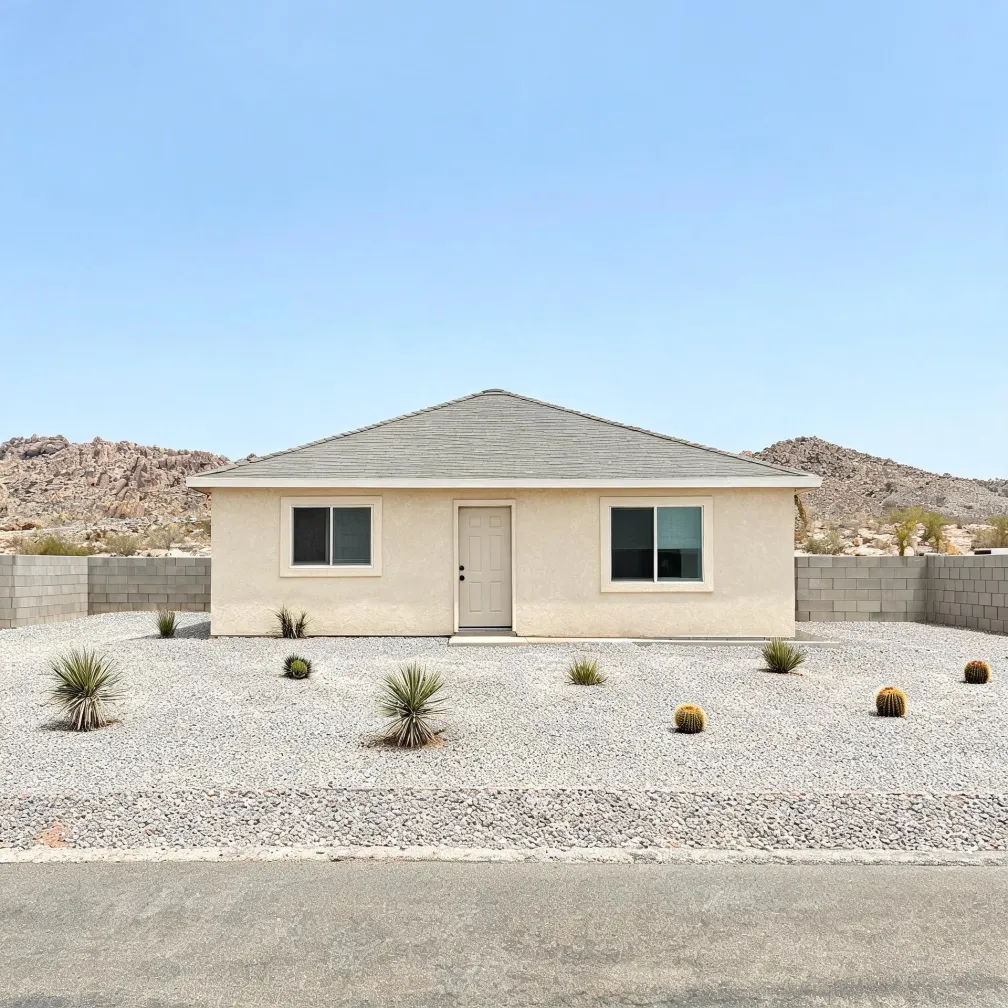
What Arizona homes are up against.
NOAA National Centers for Environmental Information, Storm Events Database, bulk CSV export, events 2015-01-01 through 2024-12-31. · U.S. Census Bureau, 2020-2024 American Community Survey 5-Year Estimates

A water heater sitting idle through a warm Arizona spring and summer is not simply resting. Seals dry, sediment settles, and an ignition component that was already marginal when the burner last cycled off has months to worsen before anyone asks it to fire again. Homes in Arizona run heat about five months a year, from November through March. That pattern shapes what a contractor looks for when assessing a unit: the faults that matter here tend to surface at the start of a season, and by then demand is at its peak. Conditions vary enough across the state that what a heater in one part of Arizona sits through can differ considerably from what one elsewhere does, which is why local experience changes the inspection.

Before a contractor quotes a water heater replacement, they check what is already running to the unit: the electrical service, the water connections, the venting path. None of those can be assumed to match what a new unit requires. Half the homes in Arizona were built in 1992 or earlier (2020-2024 ACS 5-year). A house built before current equipment standards were written may need its supply line rerouted, its circuit upgraded, or its flue resized before the new heater goes in. That is not every house, but it is common enough that a contractor who skips the assessment is guessing at the scope, not quoting it.
Does where you live in Arizona put extra strain on your water heater?
2015–2024 · Source: NOAA National Centers for Environmental Information, Storm Events Database.
A water heater depends on steady power or fuel and a dry, secure place to sit. Outages can interrupt an electric unit's cycle and cut off the igniter on a gas one, and wind can loosen a flue connection or vent cap over time. Where severe weather shows up more often, have a contractor check the water heater's venting, its gas or power connection, and how well it is secured in place.