Signs your water heater needs replacing in Arizona
Once you send the form, finding a pro is off your list.
A water heater in Arizona works harder than most. The heat out here pushes garage and attic temperatures up for months at a time, and that extra heat shortens the life of the tank and the parts inside it. Most homes here run electric water heaters, and even those wear out the same way: sediment builds up at the bottom, the heating elements weaken, and the tank itself starts to rust from the inside.
You might already see signs. Water that takes longer to heat, or doesn't get as hot as it used to. A tank that's making popping or rumbling sounds. Water with a rust tint, or puddles forming around the base. Any one of these can mean the tank is near the end, not just due for a repair.
Waiting on a failing water heater in Arizona isn't like waiting somewhere cooler. Once it fails, you're without hot water in a house that's already working hard to manage the heat, and a leaking tank in a garage or closet can damage the floor and whatever's stored nearby before you catch it.
Once you send the request, the search for a contractor stops being something you have to manage. It goes to one licensed installer local to your area, someone who replaces these tanks all year in Arizona's heat and knows exactly what tends to fail first and why. You won't be fielding calls from a handful of companies trying to win the job. It's handled, and you can get back to your day while someone who does this work regularly takes it from here.
What are the signs your water heater needs replacing?
Your water heater has been running for years and you don't want to wait for it to fail completely, leaving you without hot water or dealing with a flooded garage. You want to know what to watch for so you can replace it on your own schedule instead of an emergency one.
Rust-colored water, a tank that's leaking or making rumbling noises, or an age past ten years
If your hot water runs out faster than it used to, or comes out with a rust tint, the tank is wearing out inside. Rumbling or popping sounds mean sediment has built up on the bottom and is hardening under the heat. Any moisture or puddle around the base means the tank itself is failing, not a fitting that can be tightened. Age matters too. A water heater in Arizona works harder than one elsewhere because the heat in a garage or attic never really lets it cool down between cycles, so a tank here often shows its age sooner than the number on the sticker suggests. Once you see more than one of these signs, replacing it before it fails is the better position to be in.
Before you get your water heater installationAfter you get your water heater installation
Send one request and you're done looking
Your request goes to one pro, not a list of companies.
After you send the request, you're done searching.
Steady hot water, no rust in the stream, no puddles on the floor around the base.
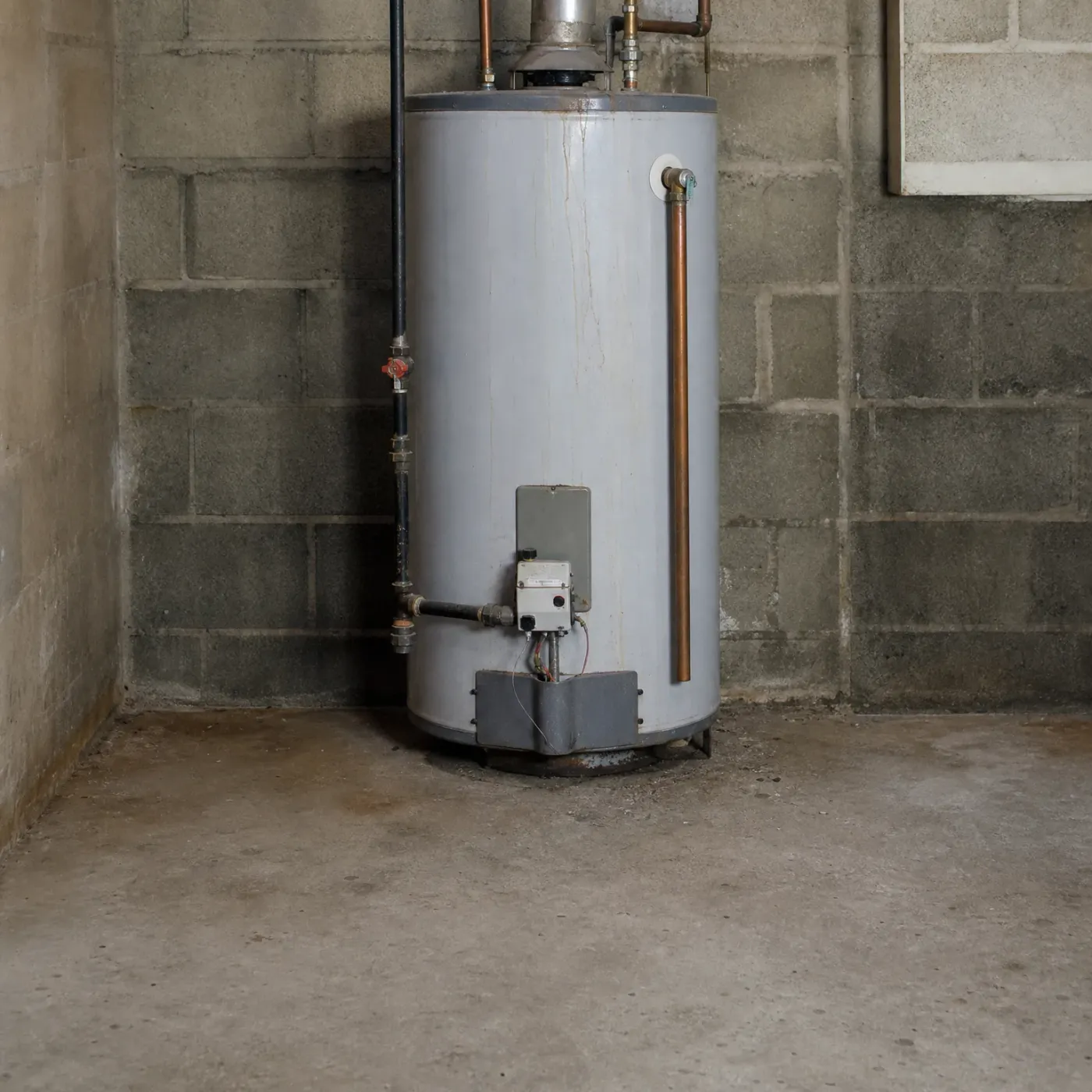
Rust-colored water, a tank that ticks or rumbles, or water pooling near the gas valve.
59.9% of homes statewide heat with electricity
Odds are your water heater runs on electricity, like most homes in Arizona. That means when it starts to fail, there's no pilot light to check or gas smell to warn you. Watch for a tank that's slow to recover, a breaker that trips, or water that doesn't get as hot as it used to.
ACS 2020-2024 5-year B25040
Why the heat shortens tank life
Steel tanks are lined with glass to keep the metal from rusting, and that lining cracks with heat the same way pavement does. A garage or attic running hot for months expands and contracts that lining over and over, and once it cracks, the steel underneath starts to corrode. That corrosion is what turns your water rust-colored and eventually eats through the tank wall. Homes in cooler states don't put that kind of heat stress on a tank, which is part of why water heaters here tend to show wear earlier than the number on the warranty sticker suggests.
What the anode rod tells you
Inside the tank is a rod made of magnesium or aluminum that corrodes on purpose, so the steel tank doesn't have to. Once that rod is used up, the tank itself becomes the next thing to corrode. Heat speeds up that process the same way it speeds up the lining damage, so an anode rod in an Arizona attic or garage wears out faster than one in a mild climate. A plumber can pull the rod and look at it, and if it's down to bare wire, the tank's protection is gone even if it's still making hot water.
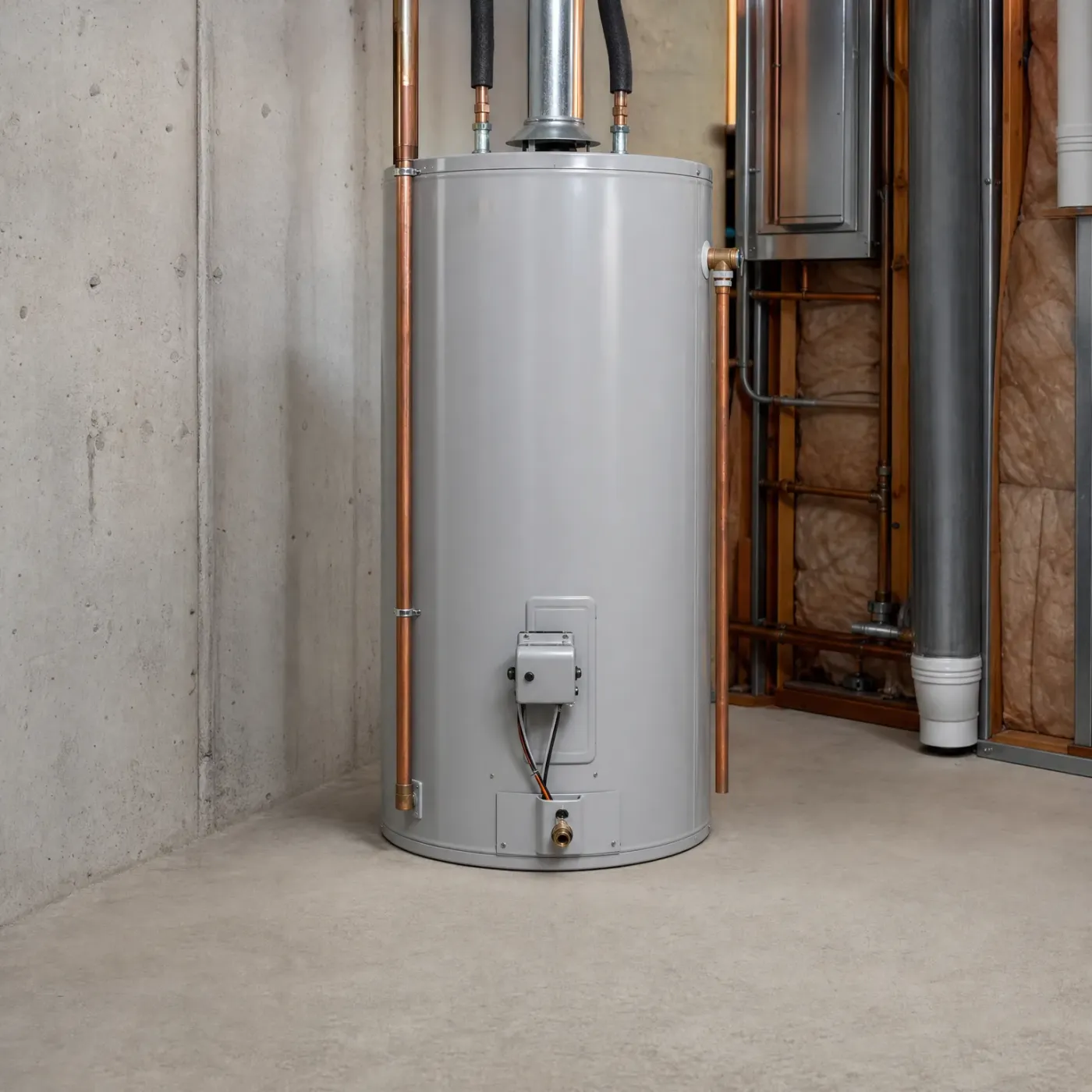
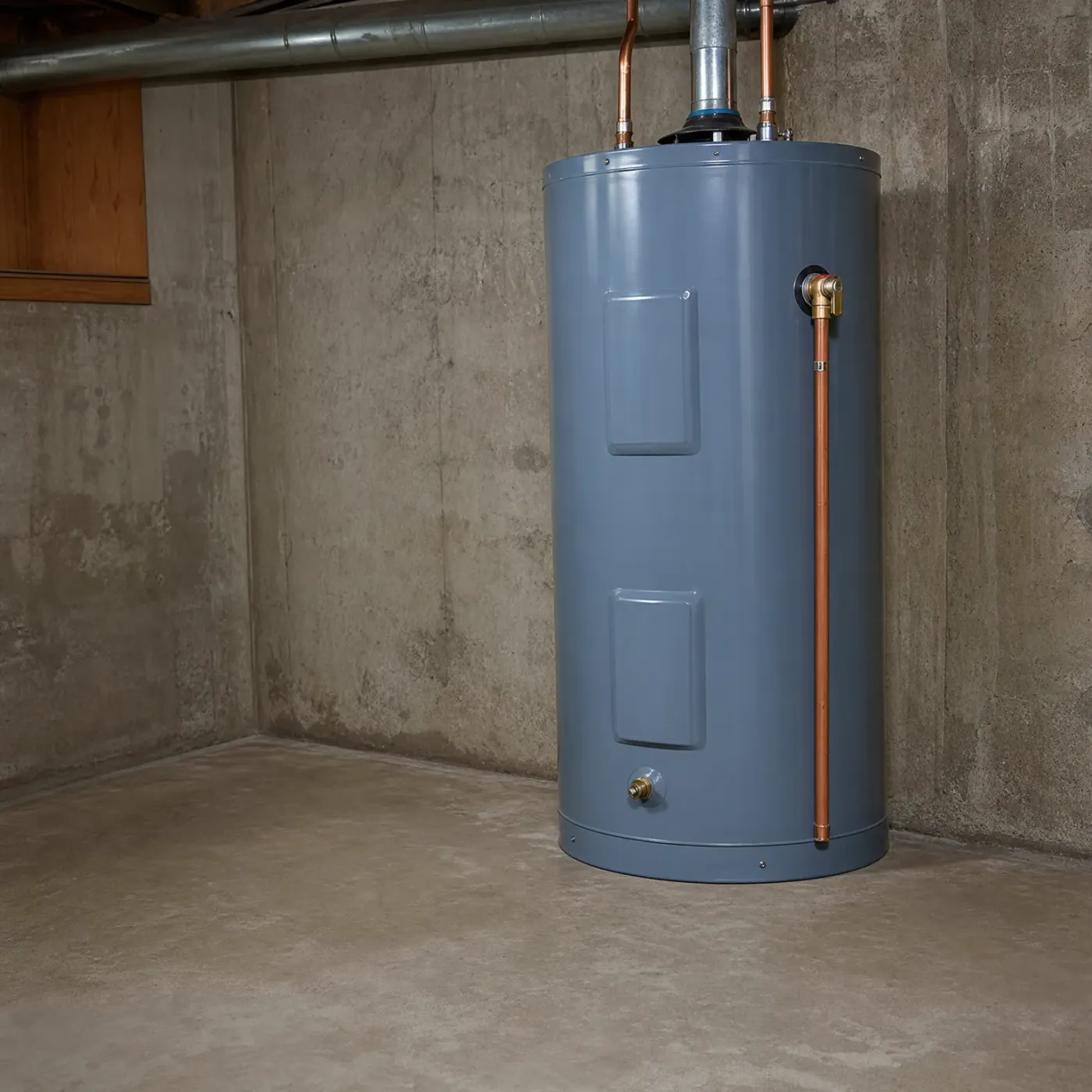
Working as it should
This is what a water heater looks like when it's doing its job. The tank is clean, the pipes are dry, and the connections at the top show no sign of wear. A unit like this heats water on demand and gives no reason to think about it between uses.
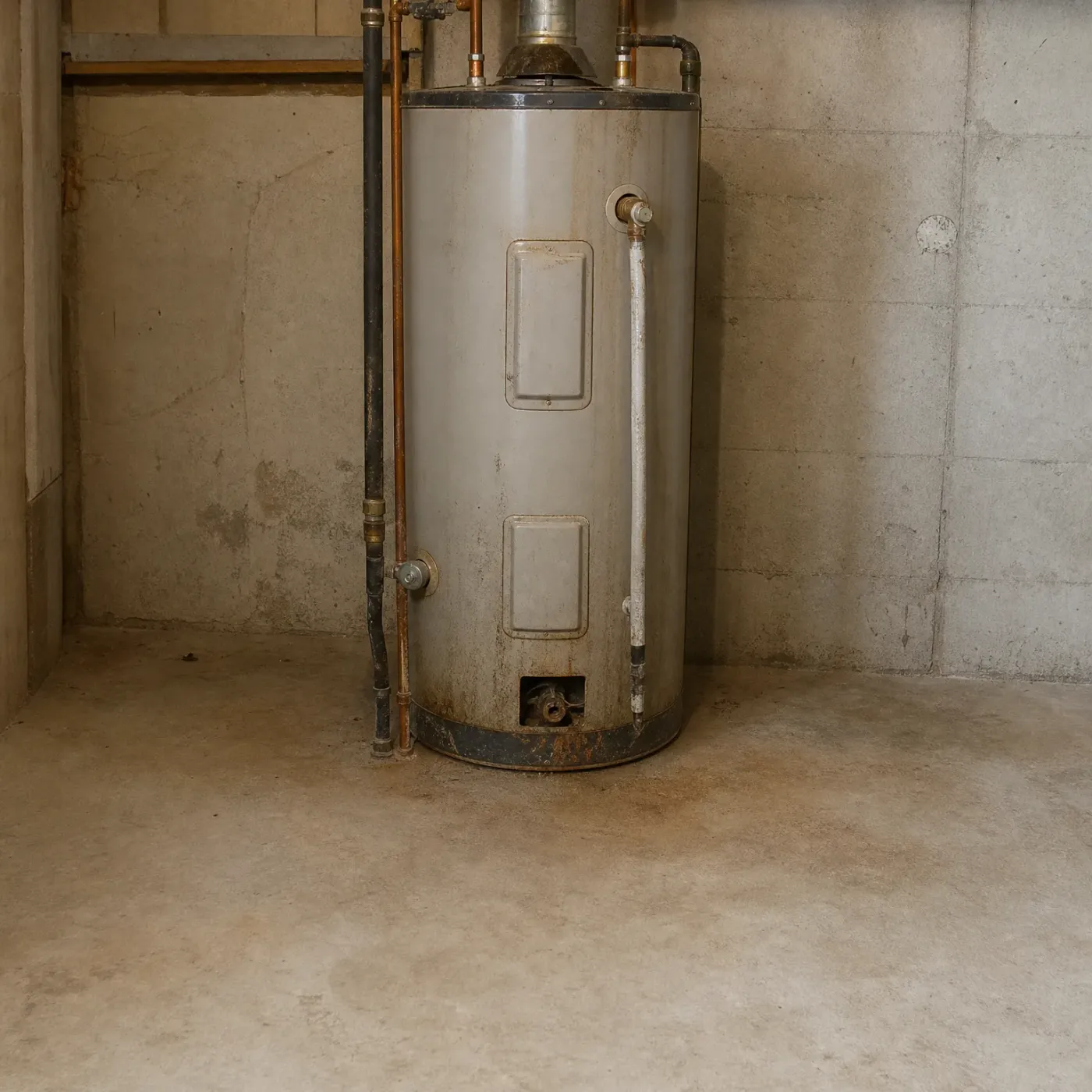
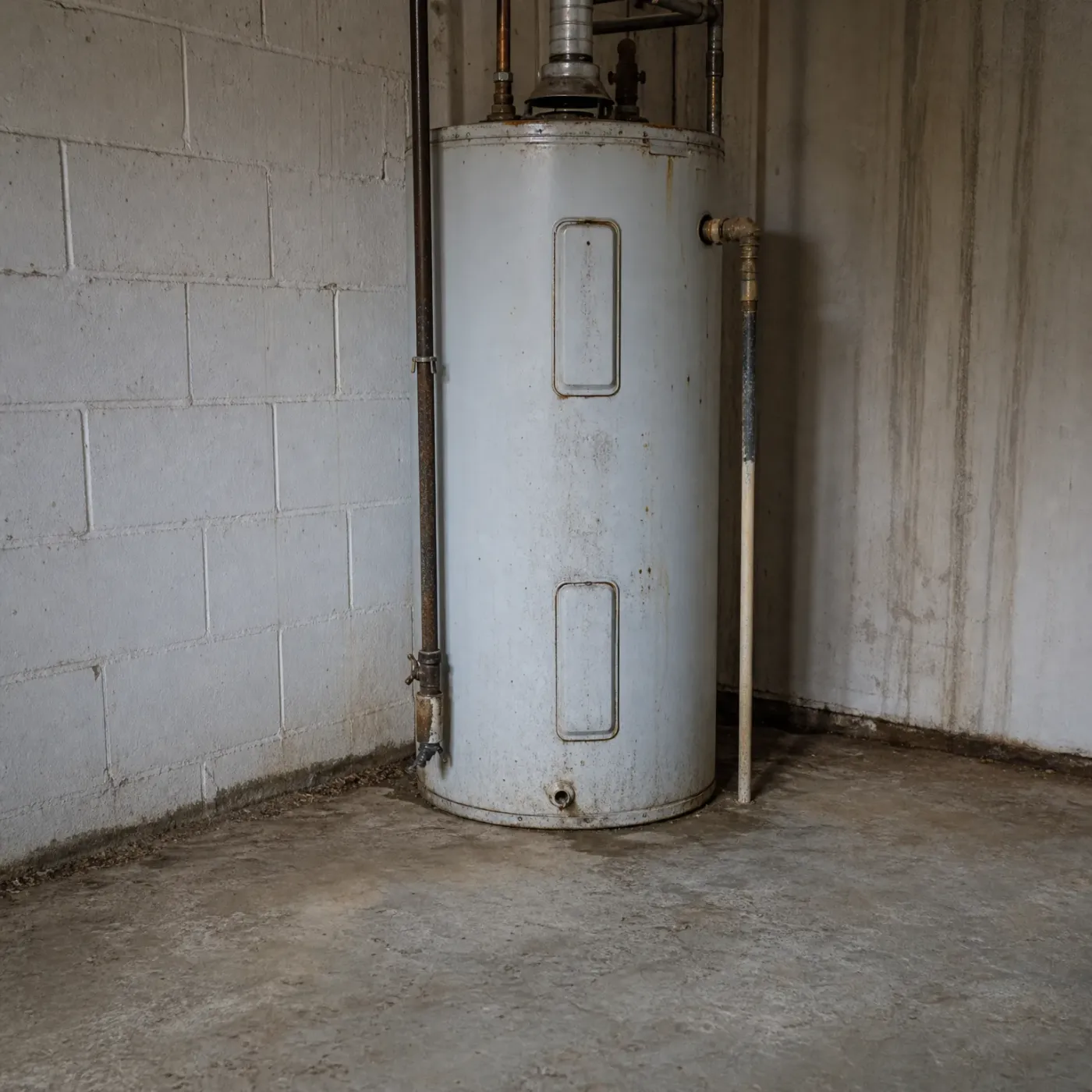
Past its working life
Rust has spread across the tank and down toward the base. Corrosion like this usually starts inside and works its way out, which means the tank is likely weaker than it looks. A water heater in this shape is closer to a leak than a repair.
A water heater that's rusting, leaking, or struggling to keep up with the heat in your garage or attic isn't going to get better on its own. Once the glass lining inside the tank starts to crack, the only question is when it fails, not if. Replacing it before that happens means you choose the timing instead of a flooded garage choosing it for you. When you send in a request, it goes to one licensed contractor working in your area, someone who installs water heaters in homes dealing with this same heat all year and knows which units hold up and which ones don't. You won't be fielding calls from a handful of companies trying to win your business. You'll hear from the one already set up to do the job right, and from there it's off your plate.
Finding a pro stops being your job
One installer gets your project, so there's no bidding war over it.