Groundwater runs warm most of the year
Incoming water in Arizona often starts closer to room temperature. A tankless unit has less work to do reaching your set point, which is part of why it keeps up here.
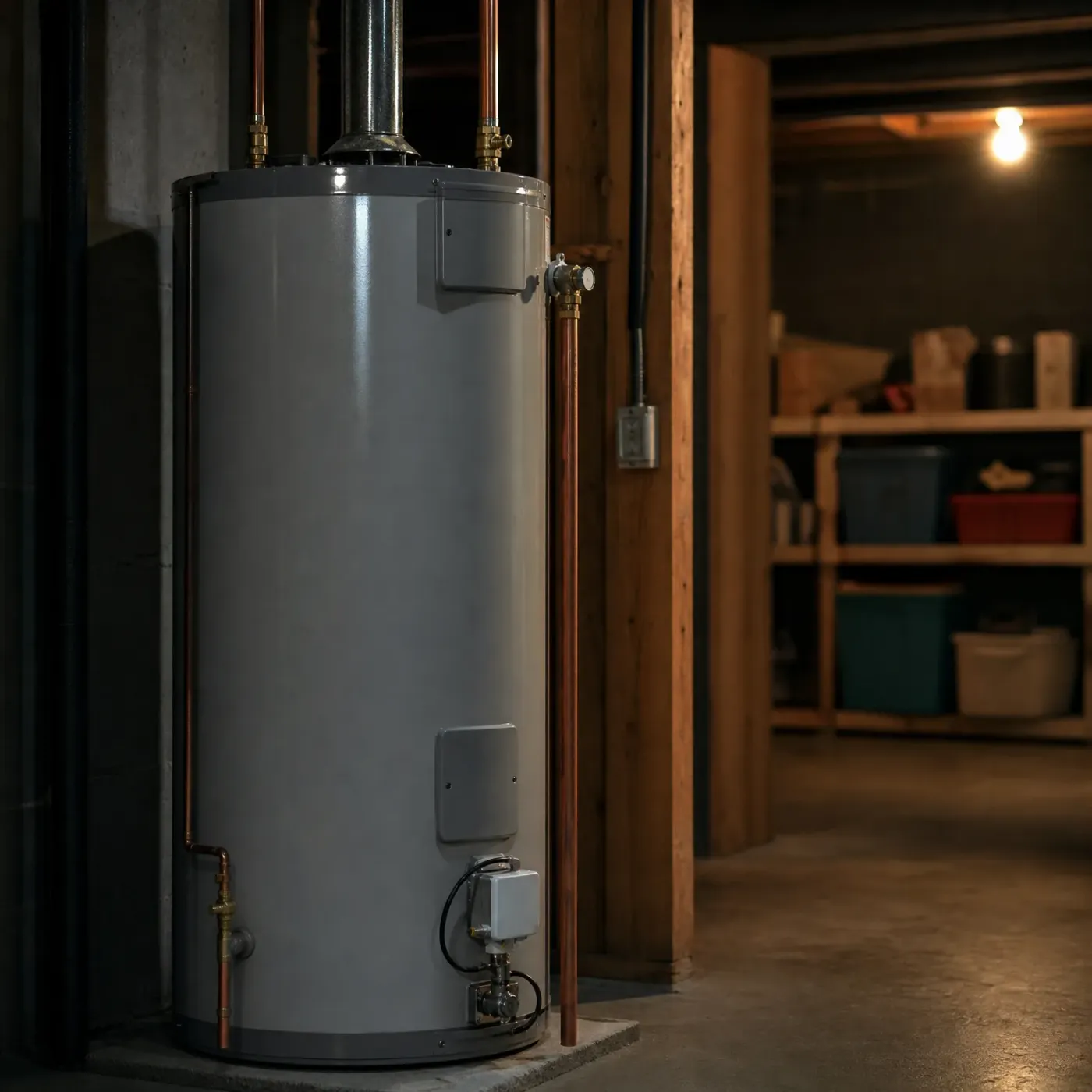
A pro who works on water heaters
Arizona's groundwater runs hot most of the year, and that changes how a tank or a tankless unit actually performs at your house. One heats on demand, the other keeps a supply ready, and the right pick depends on your home and how your family uses hot water. Answer that below, then get matched with a contractor who can size the install right.
Match me with a proTankless usually wins for an Arizona home, mainly because groundwater coming into the house is already warm most of the year. A tankless unit doesn't have to raise cold water all the way to temperature like it does in colder states, so it can keep up with showers and laundry running at once without the long recovery time a tank needs. A tank still makes sense if your home already has the gas line and space for one, or if the upfront cost of switching matters more to you than the long-term fit. With electricity being the common setup here, an electric tankless unit draws on demand rather than holding a full tank hot around the clock, which matters most in summer when the house is already working hard to stay cool. The choice comes down to your household's hot water habits, the fuel source already run to your house, and whether you're building new or replacing what's there.




Incoming water in Arizona often starts closer to room temperature. A tankless unit has less work to do reaching your set point, which is part of why it keeps up here.
If your home draws a lot of hot water at once, like a shower and a washer running together, a tank holds a reserve a tankless unit has to produce in real time.
If you've got a tank, you know the drill. Someone runs a load of dishes, someone else showers, and by the third shower the water turns lukewarm, then cold. The tank only holds so much, and once it's gone, you're waiting for it to recover. You might also notice the unit running more in summer than you'd expect, even though the incoming water is already warm, because an older tank loses heat sitting there all day whether anyone uses it or not. If it's old enough, you may see rust around the base or hear it ticking as the metal expands. None of that is dangerous on its own, but a tank that's failing quietly can leak without warning and soak whatever room it's in.
You turn on the hot tap in a sink or shower.
A flow sensor in the tankless unit detects water movement.
The gas burner or electric element fires on.
A heat exchanger raises the water temperature as it passes through.
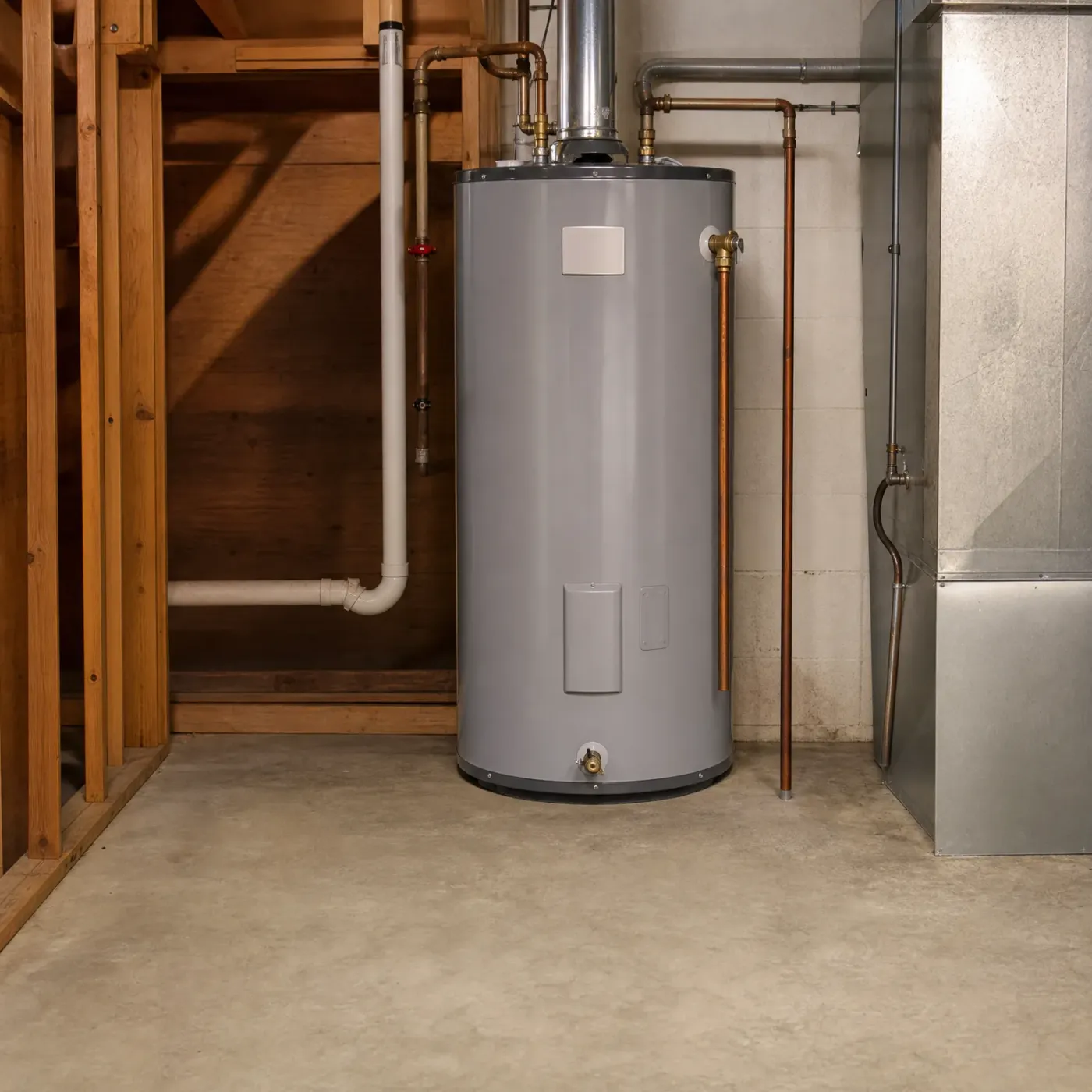
An electric tankless unit draws a lot of power the moment it fires, which is why it needs its own high-amp circuit and why some panels need upgrading before one goes in. Once it's running, it adjusts its output to match flow, so a shower and a dishwasher going at the same time pulls more power than either alone. A tank works differently. Its element cycles on and off all day to hold the water at whatever temperature you've set, and that cycling is where standby loss comes from, even on a day nobody showers. Tanks also carry their thermostat and element inside the tank, so even a simple element swap means draining it first. Tankless units skip that corrosion risk since there's no tank to rust through, but Arizona's hard water can still coat the heat exchanger with scale over time. And if you're set on gas tankless, the vent pipe has to be rated for how hot that exhaust runs, which is not the same vent a standard tank uses.


After this form, you can stop searching for a water heater pro.
You only hire the pro if you want to.
A tank is the simpler install, and that matters if your panel has no room to spare. Electric tankless units need a dedicated high-amp circuit, and plenty of homes need a panel upgrade before one can go in. A tank runs on a standard circuit, so there's no electrical work beyond swapping the unit itself. If several people shower back to back most mornings, a tank's standing supply can also be easier to live with than a tankless unit split between two bathrooms at once, since two fixtures running together draw more from the unit than one does. A tank is also the easier like-for-like swap if the old one just needs replacing and the space already fits it.
Tankless makes more sense if your home runs electric and you want to stop paying to keep a tank hot all day for water you use for maybe an hour of it. Since groundwater here starts out warmer than it does elsewhere, an electric tankless unit isn't working as hard to hit your set temperature, which takes some of the strain off that high-amp circuit. It also means never running out, no third shower turning cold. If your panel already has the capacity, or you're willing to add it, tankless tends to be the better long-term fit for an Arizona home, especially one where hot water gets used most of the day rather than in one morning rush.
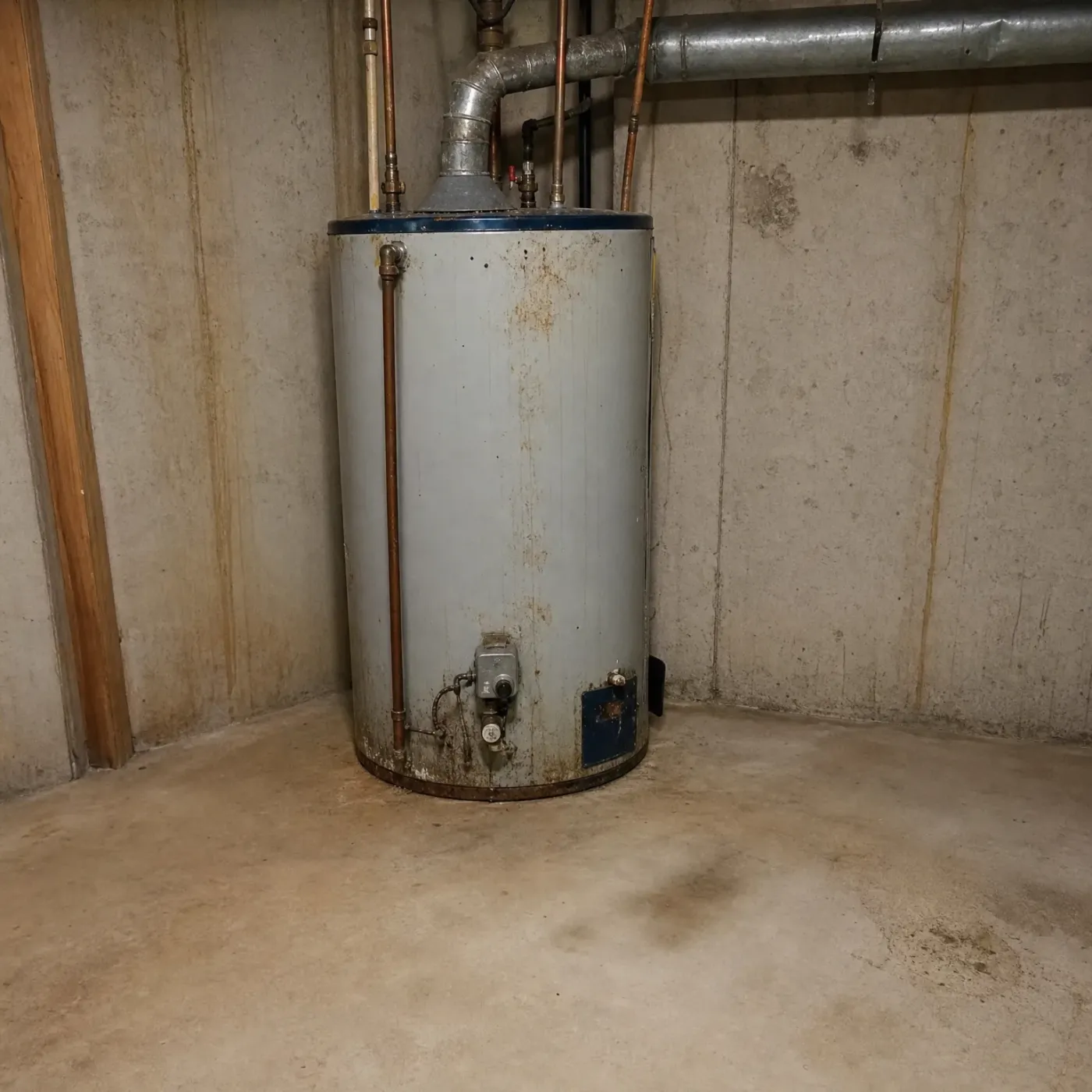
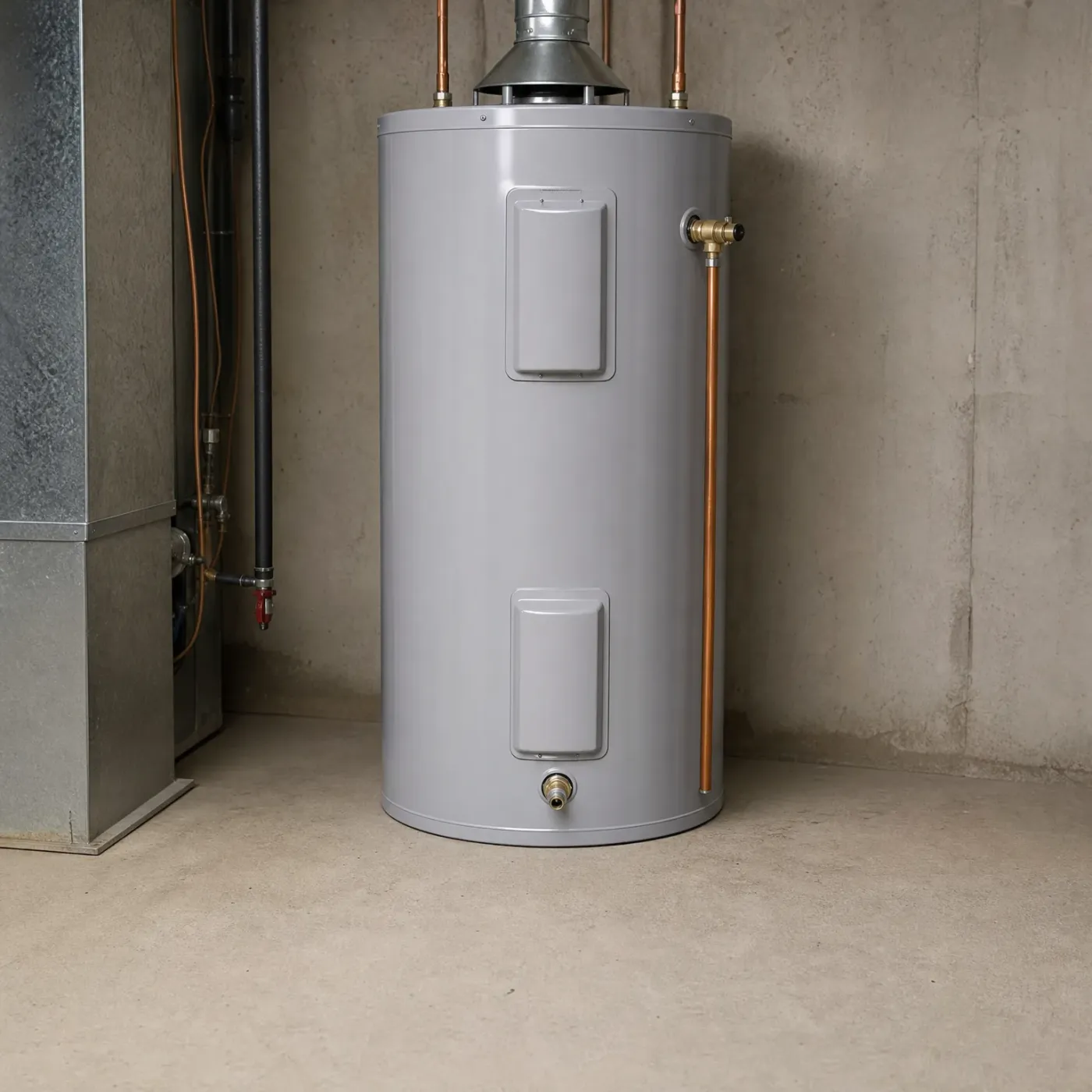
A tank fills back up on its own schedule, working off a thermostat that doesn't know whether anyone's home. It heats a full tank overnight whether you shower in the morning or not, and that standby cost runs every day of the year, not just the hot months.
A tankless unit only fires when a tap calls for it, so it isn't paying to keep water hot while the house is empty during the day. In Arizona that gap matters less for comfort and more for what shows up on the power bill each month.
With most Arizona homes running electric water heaters, the choice between tank and tankless is really a choice between two electric setups. A tank cycles its element to hold a full supply all day. A tankless electric unit pulls hard current only when a tap is open, which is why the circuit and panel it needs matter so much here.
ACS 2020-2024 5-year B25040
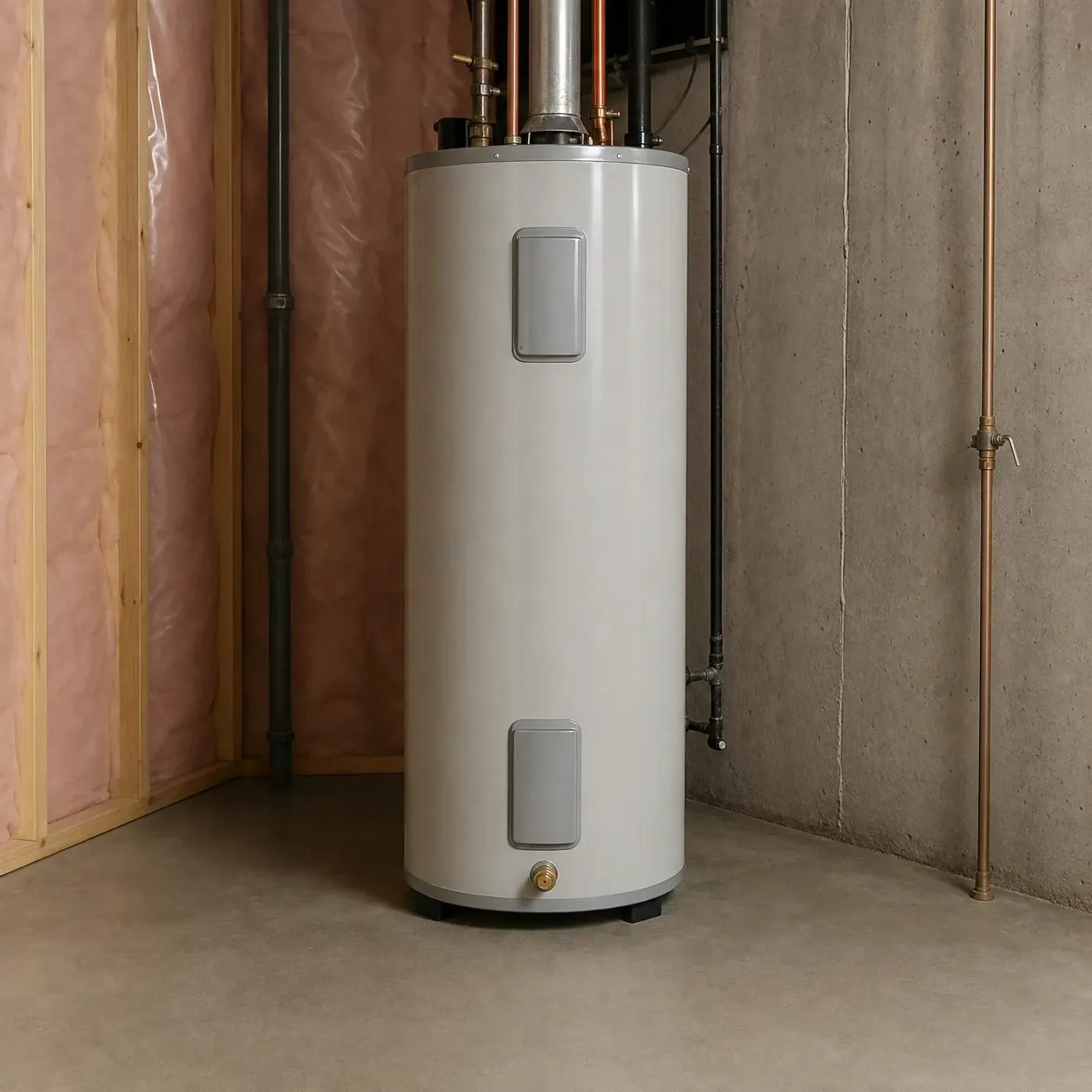
This is a tank holding a full supply, element cycling to keep it at temperature. Copper and iron pipes feed off the top, and the insulation behind the wall keeps standby loss down. Nothing here needs attention yet.
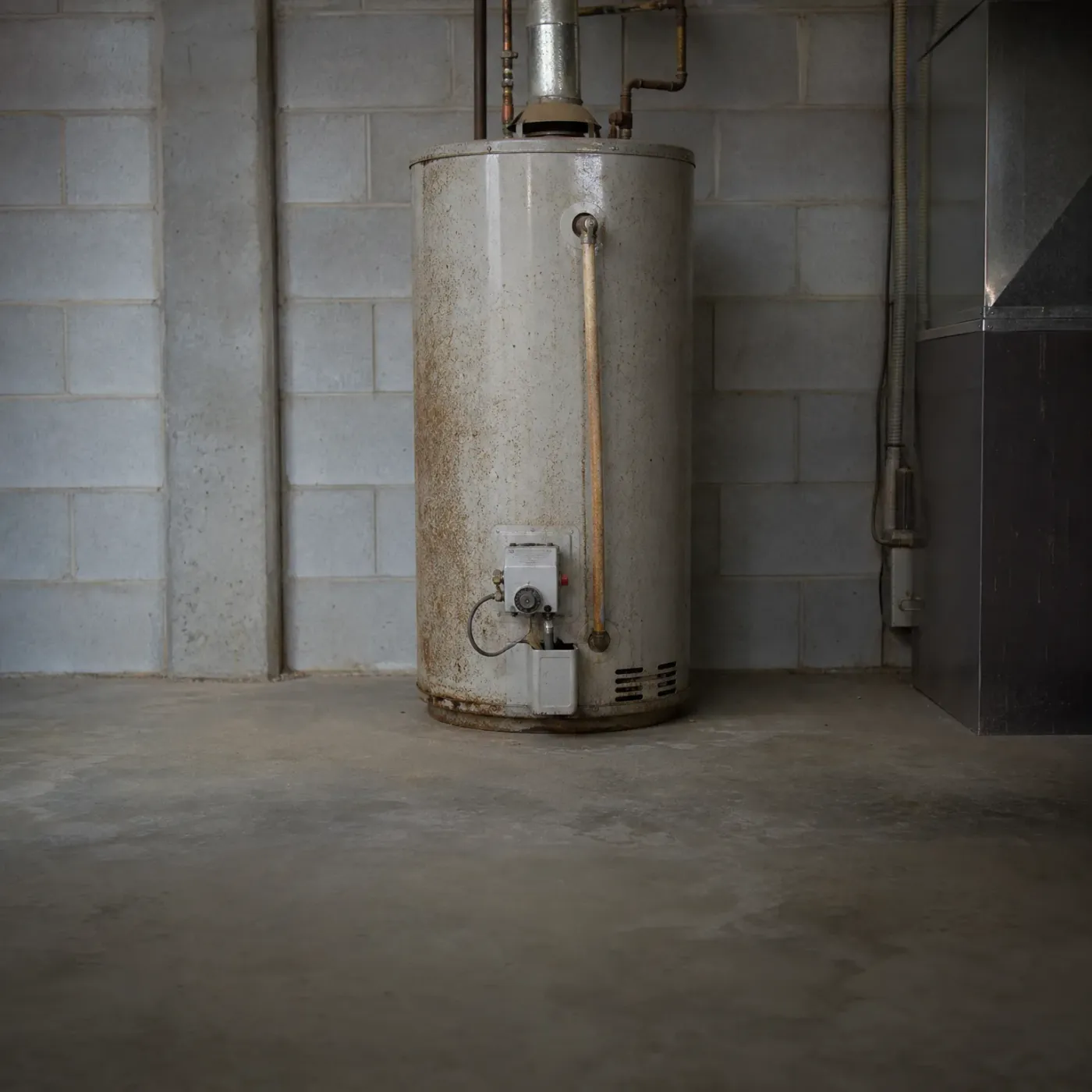
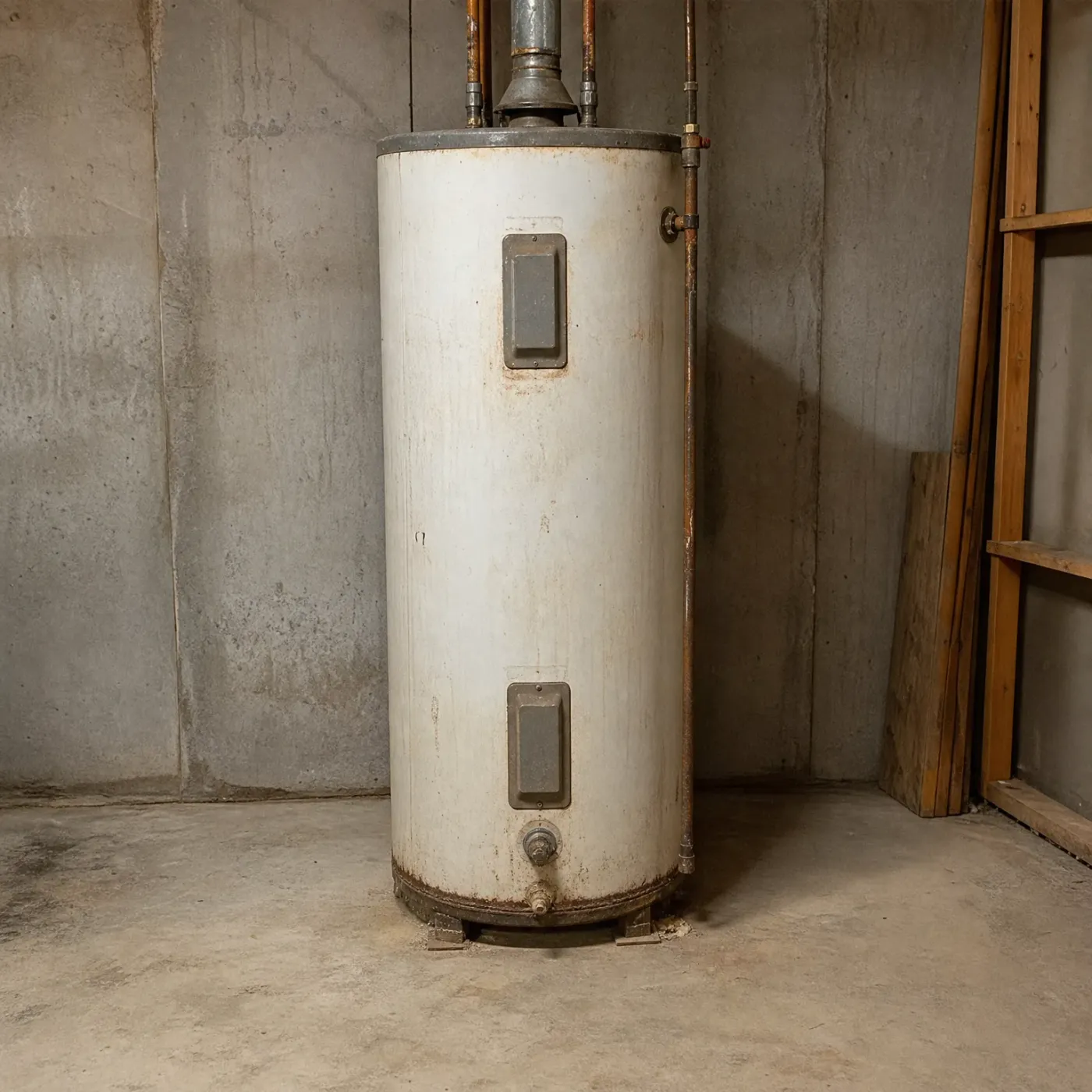
Rust like this across the shell means the tank is failing, not just aging. Once corrosion works through the steel, it leaks, and a tank this far gone won't hold pressure much longer. Galvanized pipe at this age is worth a look too.

For most homes in Arizona, tankless comes out ahead, and the warm groundwater here is the reason why. If your panel has room for a dedicated circuit and you don't want the install complexity, a tank still does the job and costs less to put in. Either way, the right call depends on your panel, your household's hot water habits, and what's already feeding your current unit.
That's not something to figure out alone from a page. A contractor who knows your panel and your existing setup can look at what you have and tell you straight which one makes sense for your house. Once you send the request, you're done chasing quotes and guessing. The right contractor for your situation reaches out to you, and the decision gets easier from there.

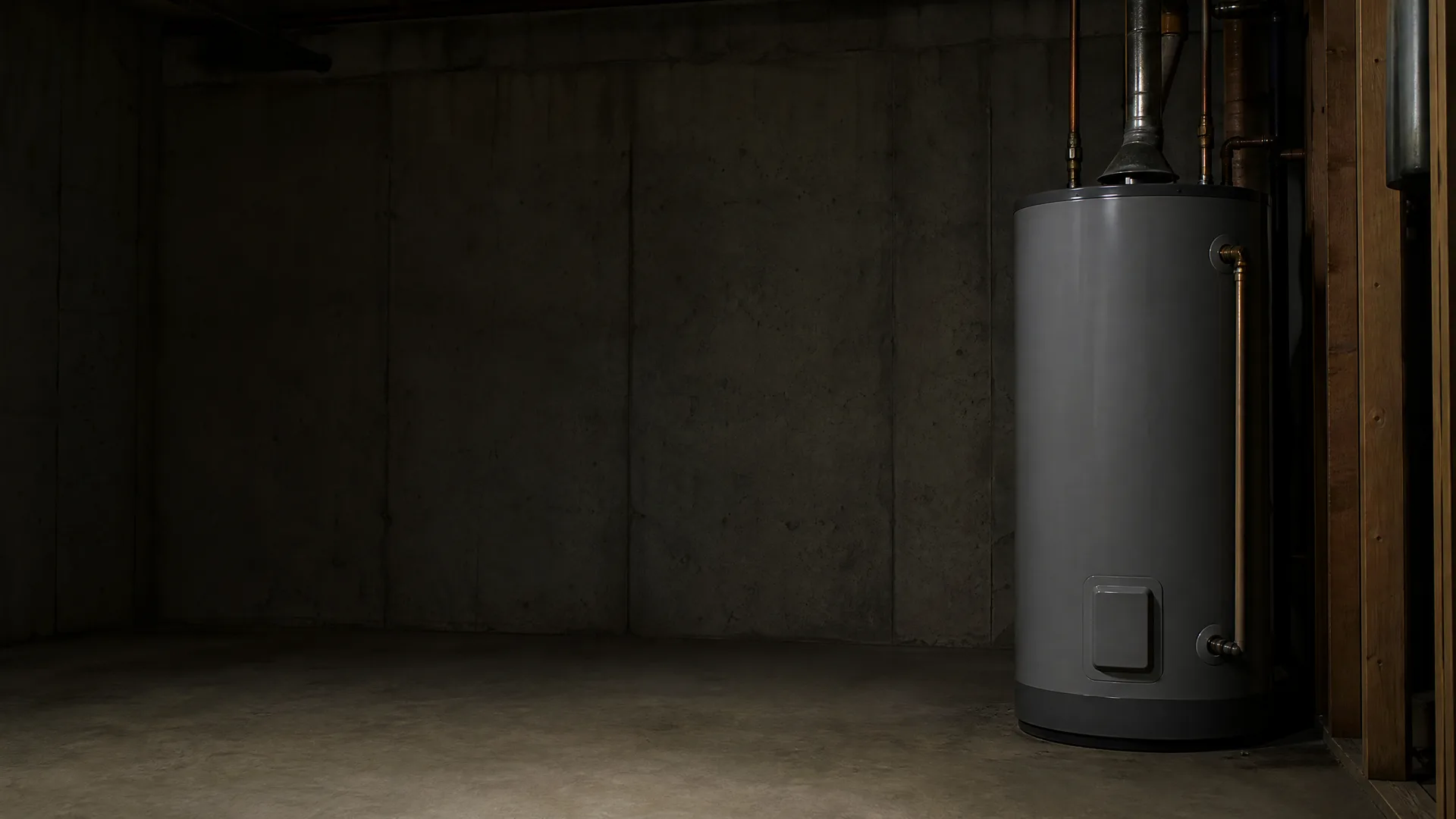
One request and the search for a pro is handled.