Tell us about the job
Takes about a minute. No obligation.
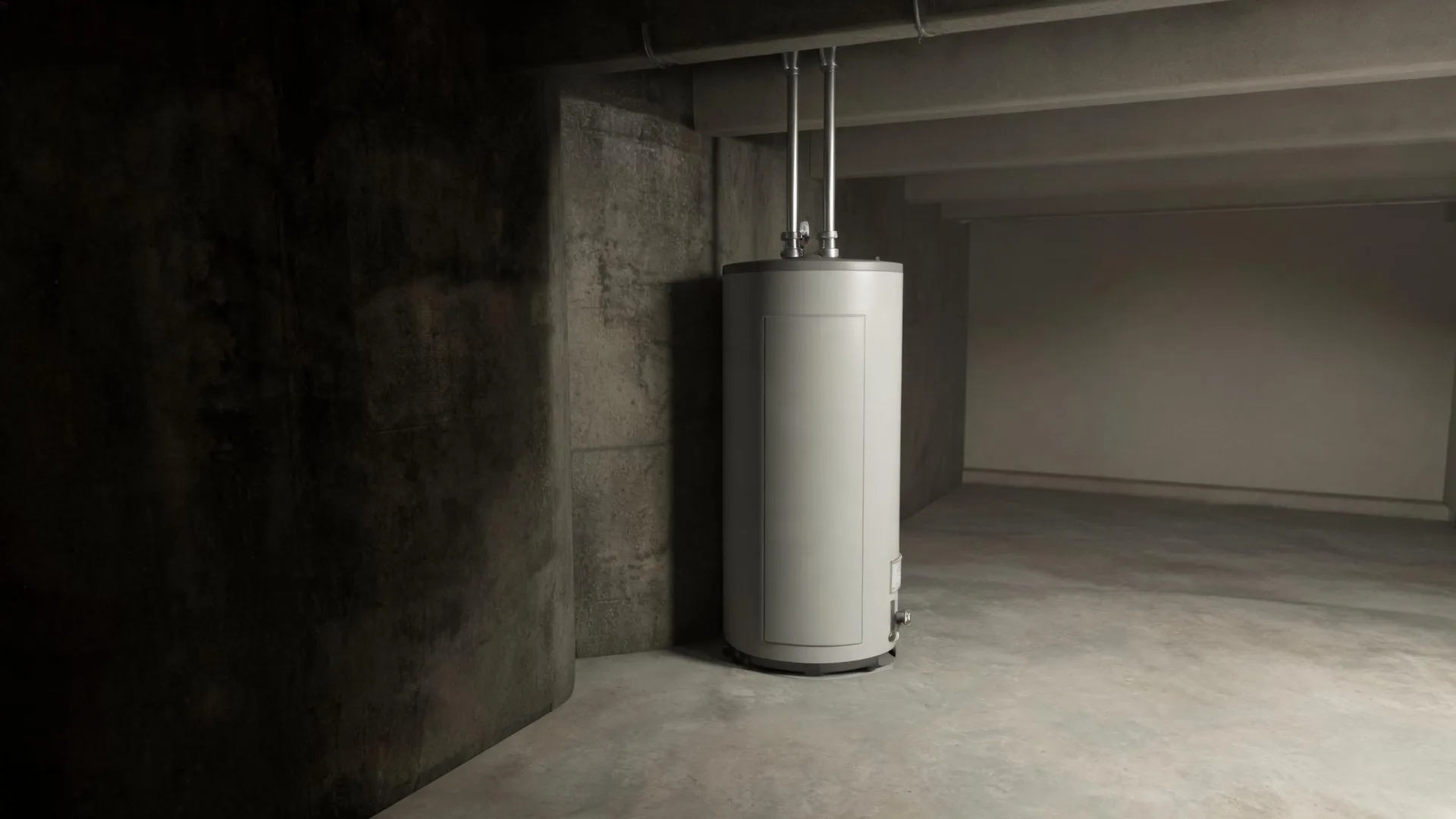
Gas-fired water heaters carry the combustion load in Graham County. Utility gas heats more occupied homes in Graham County, Arizona than any other fuel, at 51.0% (2020-2024 ACS 5-year). That fuel dominance means the parts contractors open most often are the burner, the thermocouple, and the gas valve, because those are the components doing real work in nearly every occupied home here. A pilot that misfires or a thermocouple that reads cold sends a contractor straight to the combustion side before anything else gets priced.
Water heaters in houses this old have often outlasted their rated service life by a wide margin, and what a contractor finds when they open the unit reflects that. Half the homes in Graham County, Arizona were built in 1987 or earlier (2020-2024 ACS 5-year). Sediment packs the tank floor, anode rods are spent, and valves that have never been exercised seize when tested. Parts for systems this far along are sometimes still available and sometimes are not, and that answer changes the repair scope entirely. A contractor pricing the job has to know which situation they are in before any quote holds.
The Parts of a Water Heater a Contractor Checks During a Repair
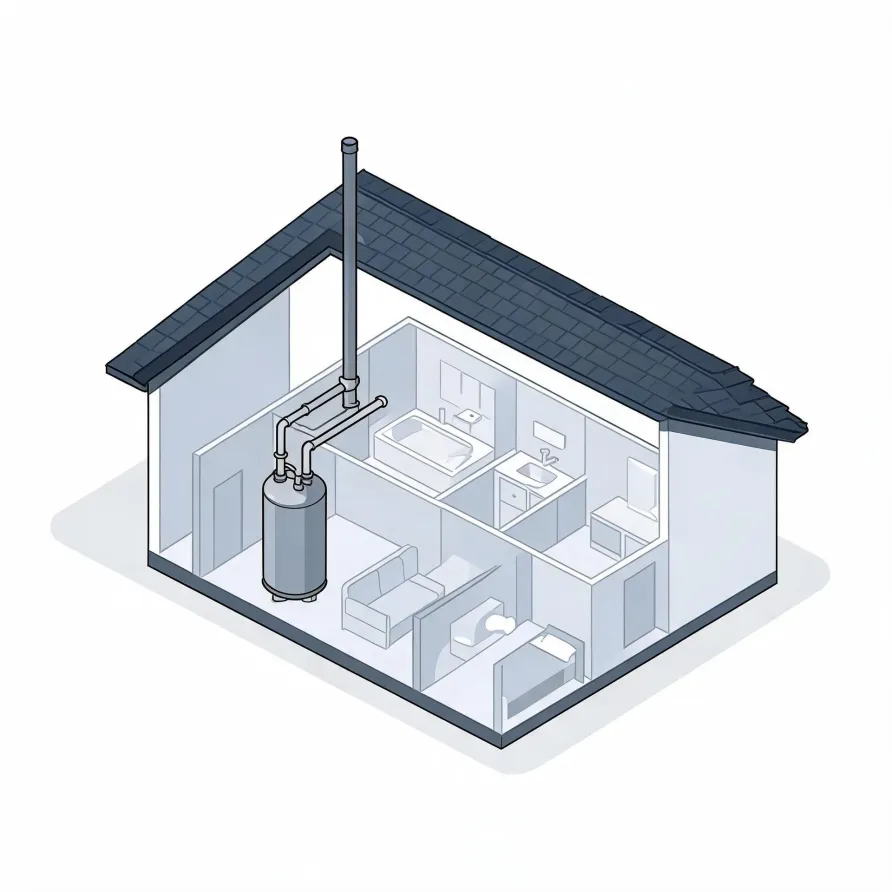
The tank is the piece a homeowner notices first, a large insulated vessel that sits in a utility room, garage, or closet and holds water at a set temperature. Attached to it is the heating element or burner assembly, which does the actual work of raising that temperature, and the thermostat, which tells it when to run.
The pressure relief valve mounts directly on the tank and releases pressure if it climbs too high. The anode rod hangs inside the tank and slows corrosion. Both the cold-water inlet and hot-water outlet connect at the top, and the drain valve sits low on the tank where a contractor can flush sediment out.
The drawing shows a general layout of these parts, and a licensed contractor determines which ones apply to the specific unit and conditions in your home.
Find a contractor in Graham CountyGraham County, by the record
120 severe weather events were recorded in Graham County, Arizona between 2015 and 2024.
NOAA National Centers for Environmental Information, Storm Events Database, bulk CSV export, events 2015-01-01 through 2024-12-31.Half the homes in Graham County, Arizona were built in 1987 or earlier (2020-2024 ACS 5-year).
U.S. Census Bureau, 2020-2024 American Community Survey 5-Year EstimatesGraham County, Arizona holds 14,122 housing units (2020-2024 ACS 5-year).
U.S. Census Bureau, 2020-2024 American Community Survey 5-Year EstimatesOwners occupy 73.1% of the occupied homes in Graham County, Arizona (2020-2024 ACS 5-year).
U.S. Census Bureau, 2020-2024 American Community Survey 5-Year EstimatesSevere Weather Events in Graham County
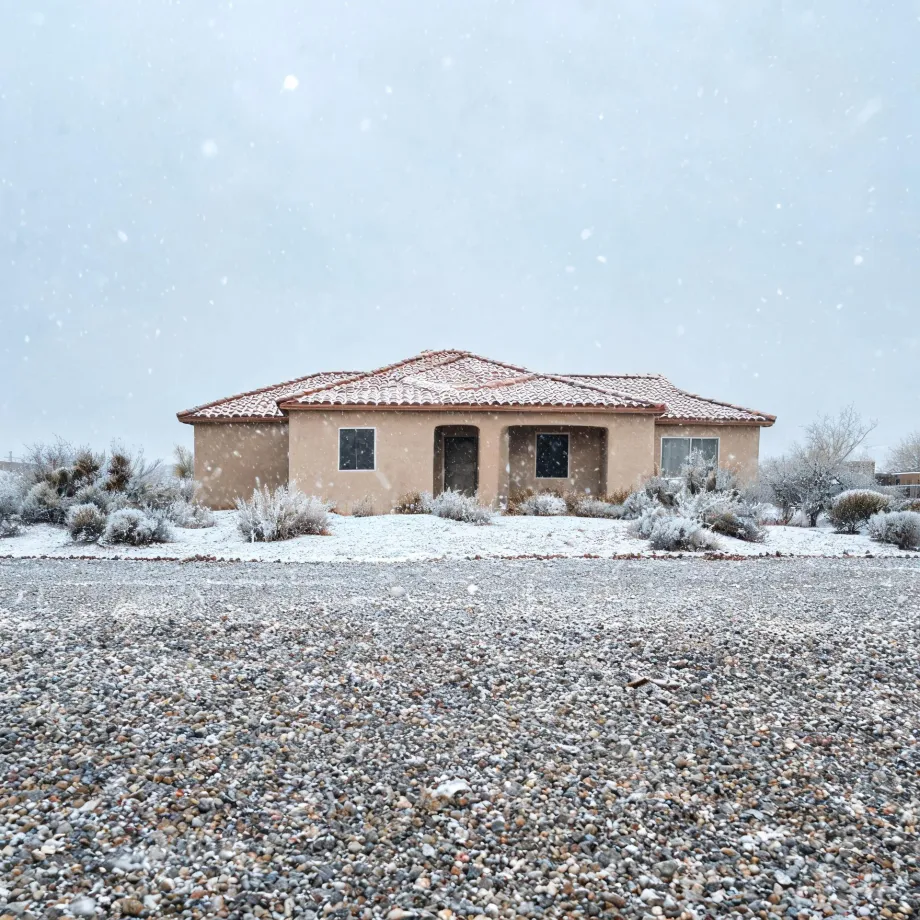
Extreme weather puts real stress on water heaters, forcing the equipment to work harder and wear faster than it would under mild conditions. How often that stress lands on a system in Graham County shapes what repairs come up and how soon.
120 severe weather events, 2015–2024. Source: NOAA National Centers for Environmental Information, Storm Events Database.