What this comes down to
- Running out of hot water fast almost always traces back to a failed or weakening heating element, not the whole tank going bad.
- A lower element that's quit still lets the tank heat some water, but recovery between uses slows down and capacity keeps shrinking.
- A thermostat that's lost its calibration can starve an element of the signal it needs, even when the element itself still works.
- A licensed local electrician or plumber who works on tanks all summer has seen which element fails first in houses like yours.
- Calling one contractor who already knows electric tanks beats sorting through several companies and explaining the same problem each time.
- Once the failed part is found, getting the tank back to full recovery is a straightforward repair.
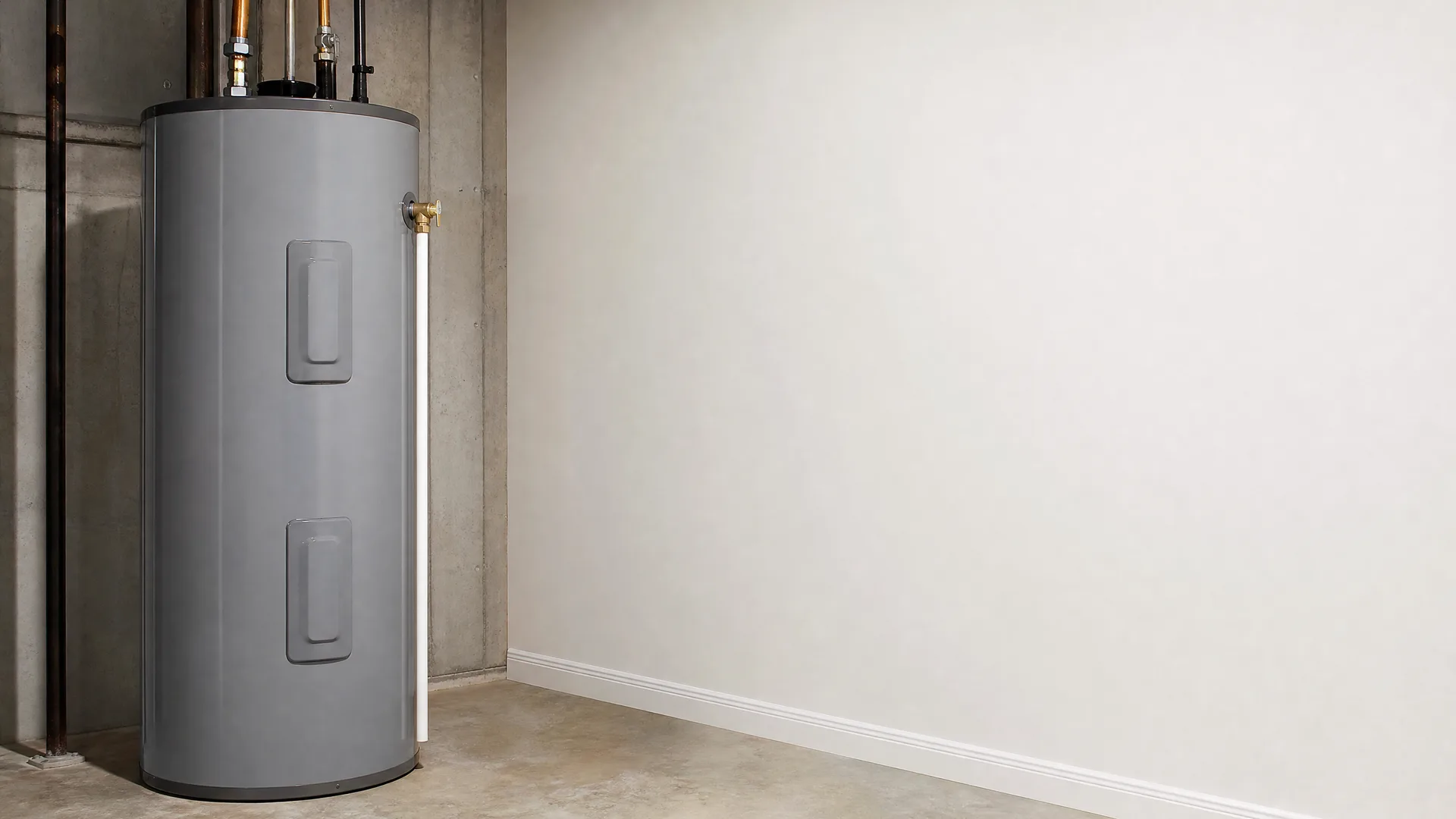
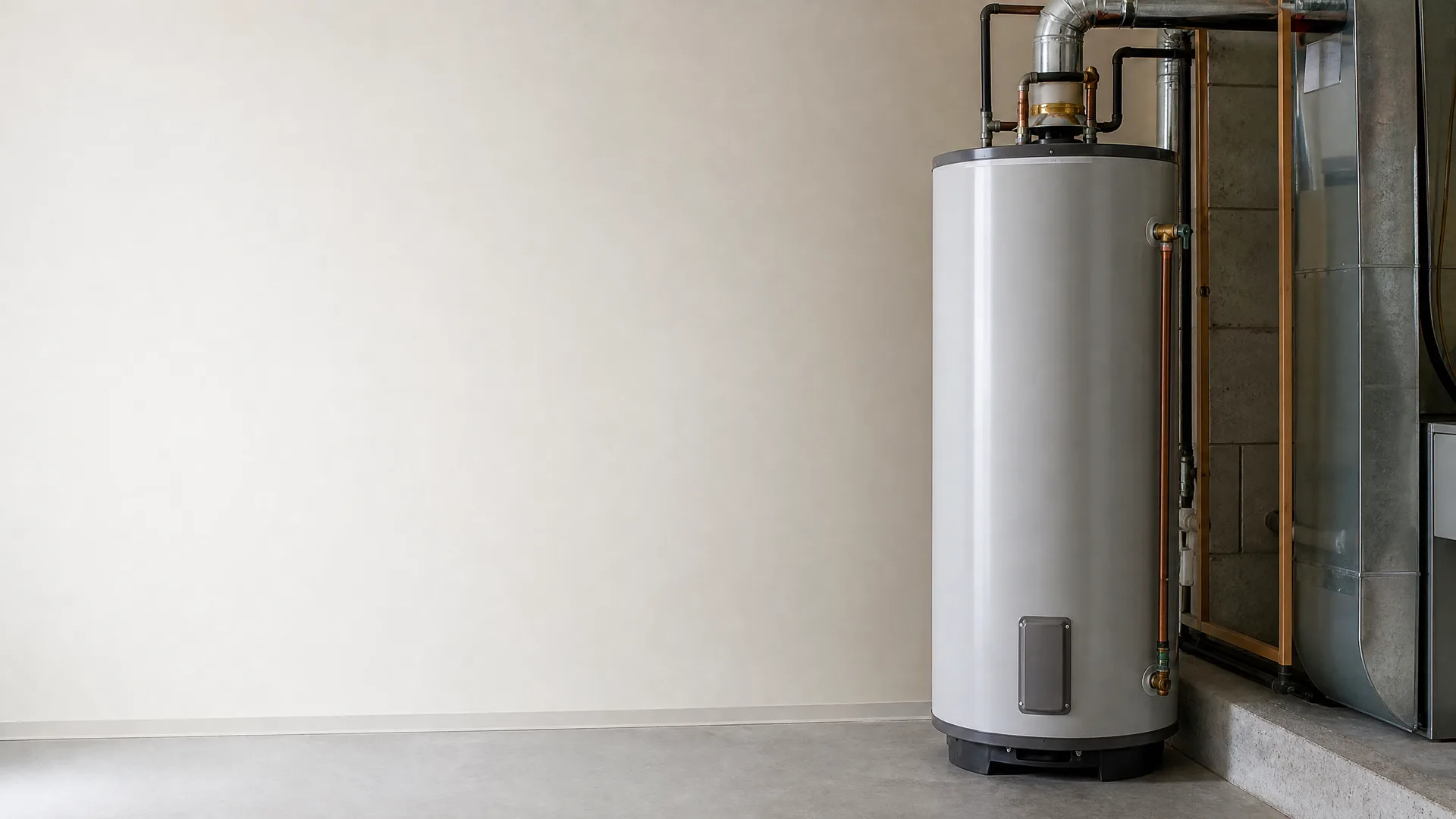
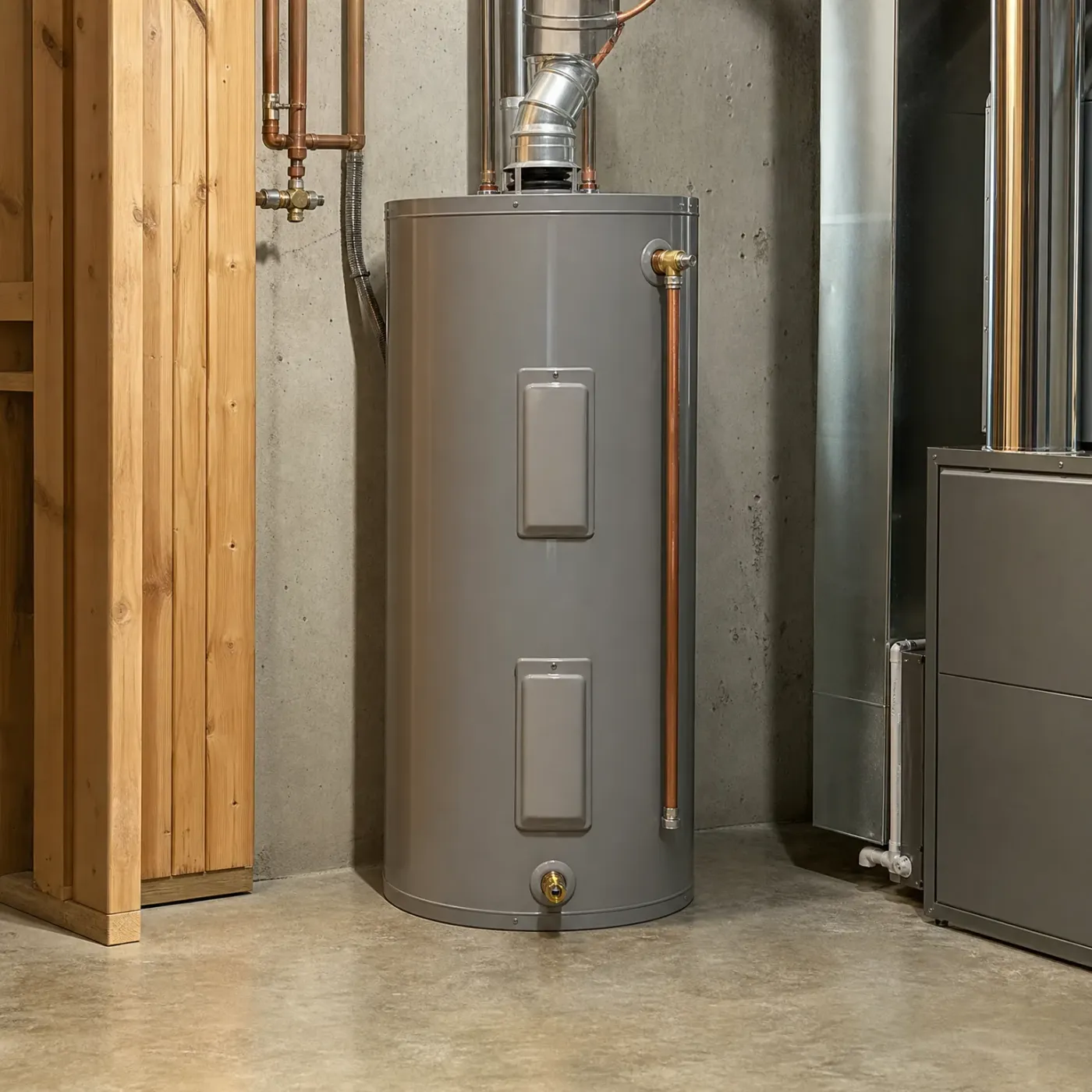
Running out of hot water fast in an Arizona house with an electric tank almost always comes down to one part, a lower element that's failed or a thermostat that's stopped reading right. The tank doesn't need replacing for that. It needs someone who can tell which one it is and swap it.
That's where it helps to have someone local look at it, someone who works on electric tanks through the summer and has already seen which element tends to go first in houses like yours. A contractor who does this every week knows the difference between a tank that's still heating some water on one working element and a tank where both have quit, and knows it faster than a homeowner guessing from the symptoms alone.
You'd otherwise be the one tracking down who's licensed to do this, calling around, explaining the same thing about your showers running warm and your laundry timing to two or three different companies, then weighing their quotes against each other. Here, that part is handled. You get matched to one contractor, local, licensed for the work, already familiar with electric tanks and what fails in them after a hot summer of heavy use. No flood of calls from competing companies, no repeating yourself.
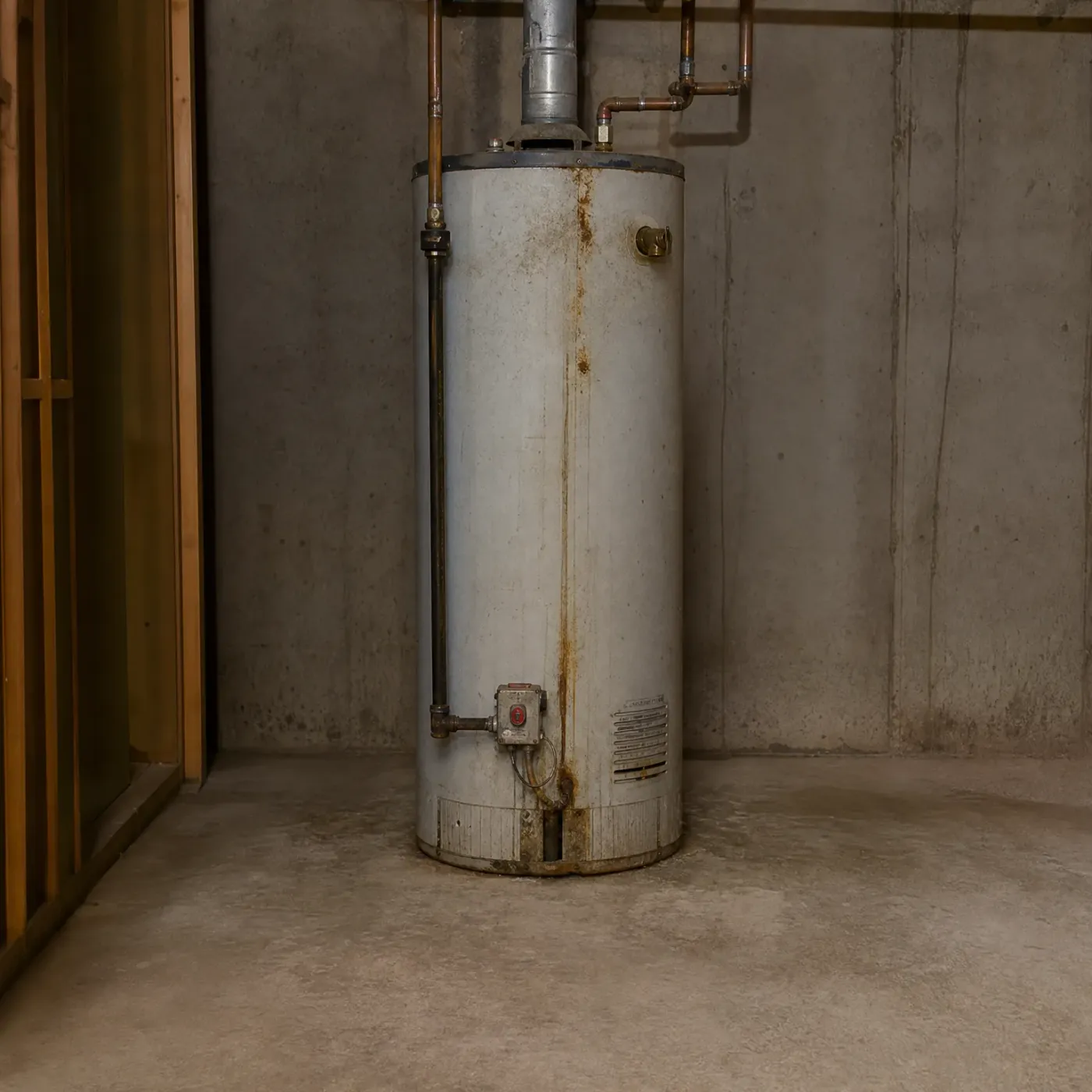
The tank itself still needs a look before anyone knows for certain which part quit. But the pattern, warm showers that go cold too soon, a laundry day planned around recovery time, a tank keeping up less than it used to, points to a part that can be replaced, not a system that's done.