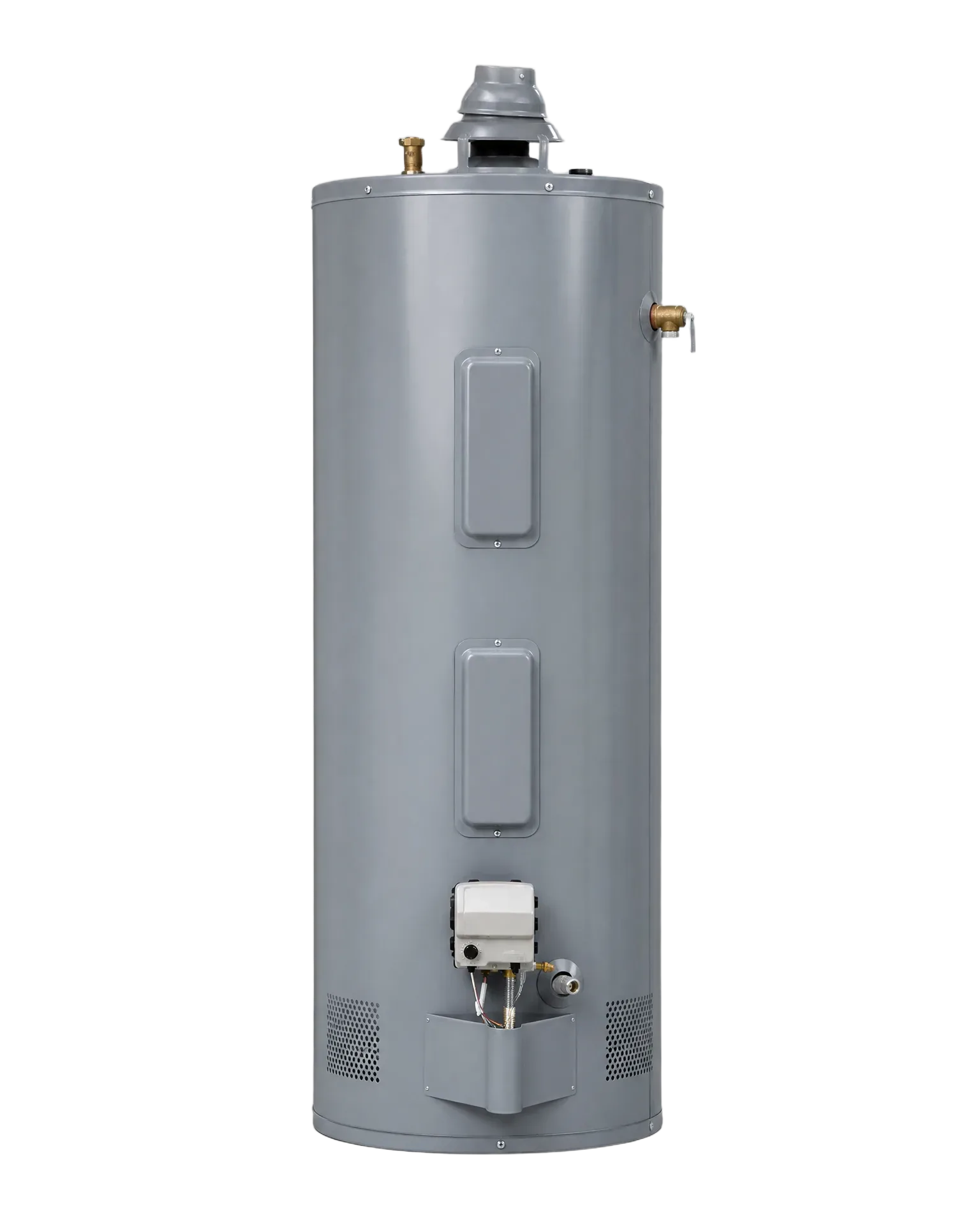
The popping comes from sediment sitting at the bottom of the tank. Arizona water carries a lot of dissolved minerals, and when the heating element fires underneath that layer, pockets of water get trapped under the hardened scale and turn to steam. The steam bubbles push up through the sediment and burst, and that's the popping or cracking sound you hear. It tends to get louder over time, since the sediment layer keeps building and traps more water each time the system runs. It isn't dangerous in the short run, but the layer sits between the element and the water it's supposed to heat, so the element works harder and wears faster than it should. Left alone, that extra strain is usually what leads to an element failing early or a tank developing a leak at the bottom seam. Flushing the tank clears the sediment out. If it's built up for years, flushing alone may not undo the wear already on the element or the tank.


Live With The Noise, Or Flush It Now
Leave It
- The popping usually won't damage the tank right away, so a quiet unit can keep running while you decide what to do.
- Sediment builds up slower in a tank that gets flushed occasionally, but if yours never has been, the layer at the bottom is likely already thick.
- The noise will probably keep happening and may get louder, since the scale hardening on the element doesn't go away on its own.
- Electric elements working through caked sediment run harder to heat the same amount of water, and that element is what eventually fails.
- A tank with heavy buildup left alone long enough can develop a cracked glass lining or a failed element from the uneven heat.
Get It Flushed
- Flushing the tank clears the sediment layer causing the popping, so the steam pockets stop forming under the element.
- A contractor can check the anode rod and element while the tank is drained, since both sit right where Arizona's mineral content takes a toll.
- Once sediment is cleared, the element heats water directly instead of through a layer of scale, so it doesn't have to work as hard.
- Catching it now means skipping the search for who to call, the back and forth comparing quotes, and explaining the popping noise more than once.
- A contractor matched to your situation can look at the whole tank's condition, not just quiet the noise, since the two often point to the same cause.
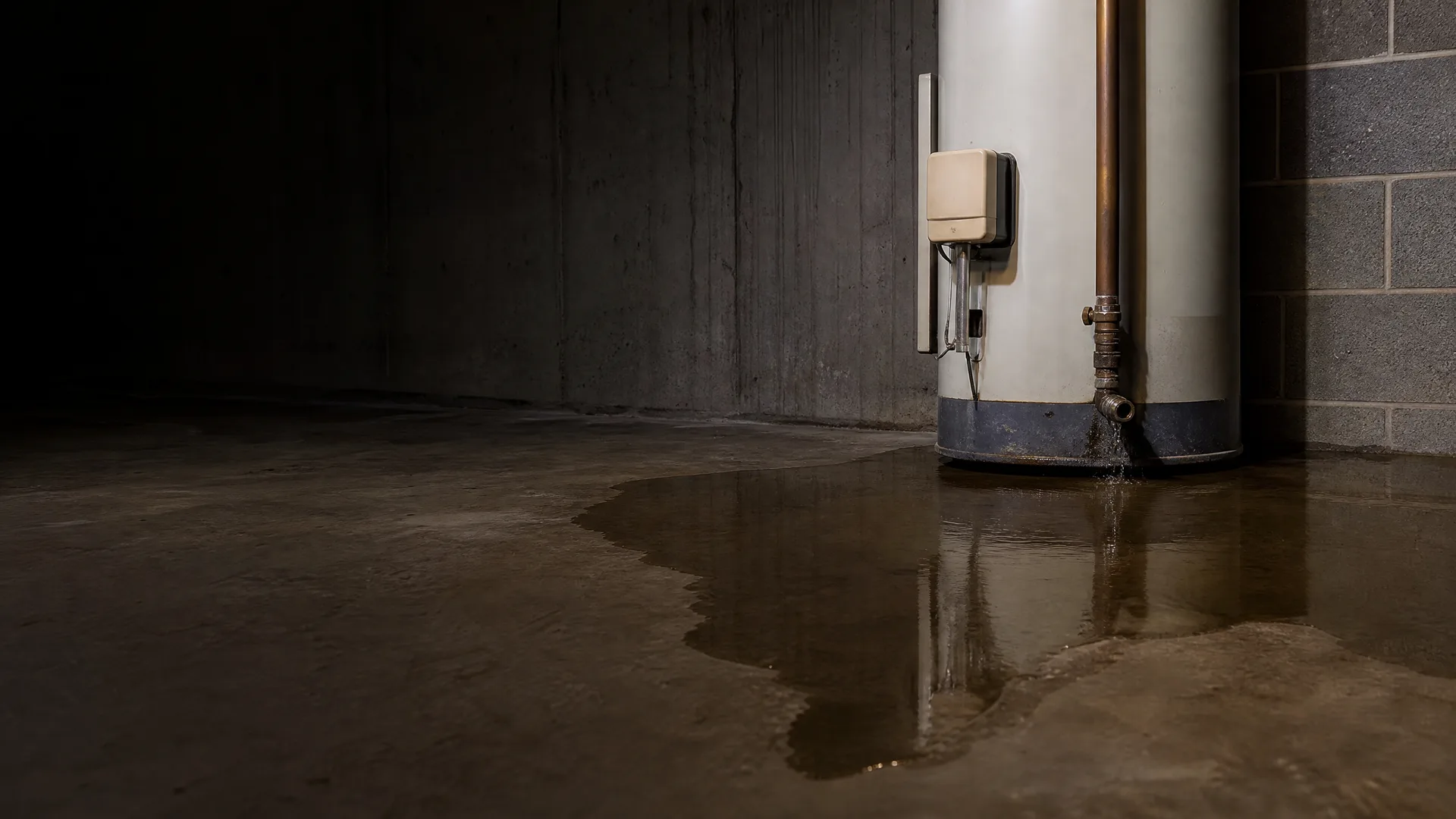
Saturday morning, and you're in the garage looking for a fan belt when you hear it again, that popping from the water heater in the corner, like something tapping from inside the tank. You crouch down and that's when you see it: a thin edge of water creeping out from under the base, dark against the concrete. Not a lot. Enough to tell you this isn't just noise anymore. You shut off the breaker and stand there a second, listening to the tank still ticking as it cools, trying to remember how many summers it's been sitting here taking the heat and the hard water without a single flush.
A local pro for your water heater repair
That hardened layer at the bottom of your tank doesn't go away on its own, and in most Arizona homes nobody's ever flushed it out. A contractor can check how thick it's gotten, whether the element underneath is still holding up, and whether the tank itself has taken any damage from the heat trapped against its floor. That's not something to guess at from the garage. Sorting through that yourself means searching for a plumber who works on water heaters, calling a few, describing the popping and the water on the floor each time, then weighing quotes that may not even be looking at the same problem. Handing it off means someone who knows Arizona's water and what it does to a tank takes a look and tells you what's actually going on in yours, whether that's a flush, a new element, or something further along than that. The noise isn't the whole story. What's happening under it is.
What's Happening Inside the Tank
- Most electric water heaters have two elements, and sediment collects fastest around the lower one.
- The popping sound is steam bubbles collapsing as they push up through the sediment layer and hit cooler water above.
- A thick enough layer acts like insulation, so the element has to run longer to heat the water above it.
- Scale that hardens on the tank bottom can trap water against the steel, and that's where the popping starts.
- Arizona's hard water leaves mineral deposits faster than water with less dissolved calcium and magnesium.
- The noise usually shows up gradually, getting louder over weeks as the layer thickens rather than appearing all at once.
Electric water heaters usually have two elements, one near the top and one near the bottom. The lower element sits right where sediment settles, since minerals in the water drop out and collect at the base of the tank over time. Arizona's water carries more calcium and magnesium than most places, so that layer forms faster here than it would somewhere with softer water.
Once there's enough of it, the sediment acts like a crust over the bottom of the tank. Water gets trapped underneath it, between the scale and the steel. When the lower element fires, it heats that trapped water straight to steam. The steam forms a bubble, pushes up through the sediment, and hits the cooler water sitting above the layer. That's the pop. It's not the tank itself making noise. It's steam collapsing against cold water, over and over, every time the element cycles on.
You won't hear this the first week the heater runs. It builds slowly, as more minerals drop out and the layer gets thicker, which is why the popping tends to get louder over weeks rather than showing up all at once. The same layer also makes the element work harder, since it has to heat through the sediment before the water above it warms up at all. The sound is really a sign of what's building up underneath it, not a separate problem on its own.
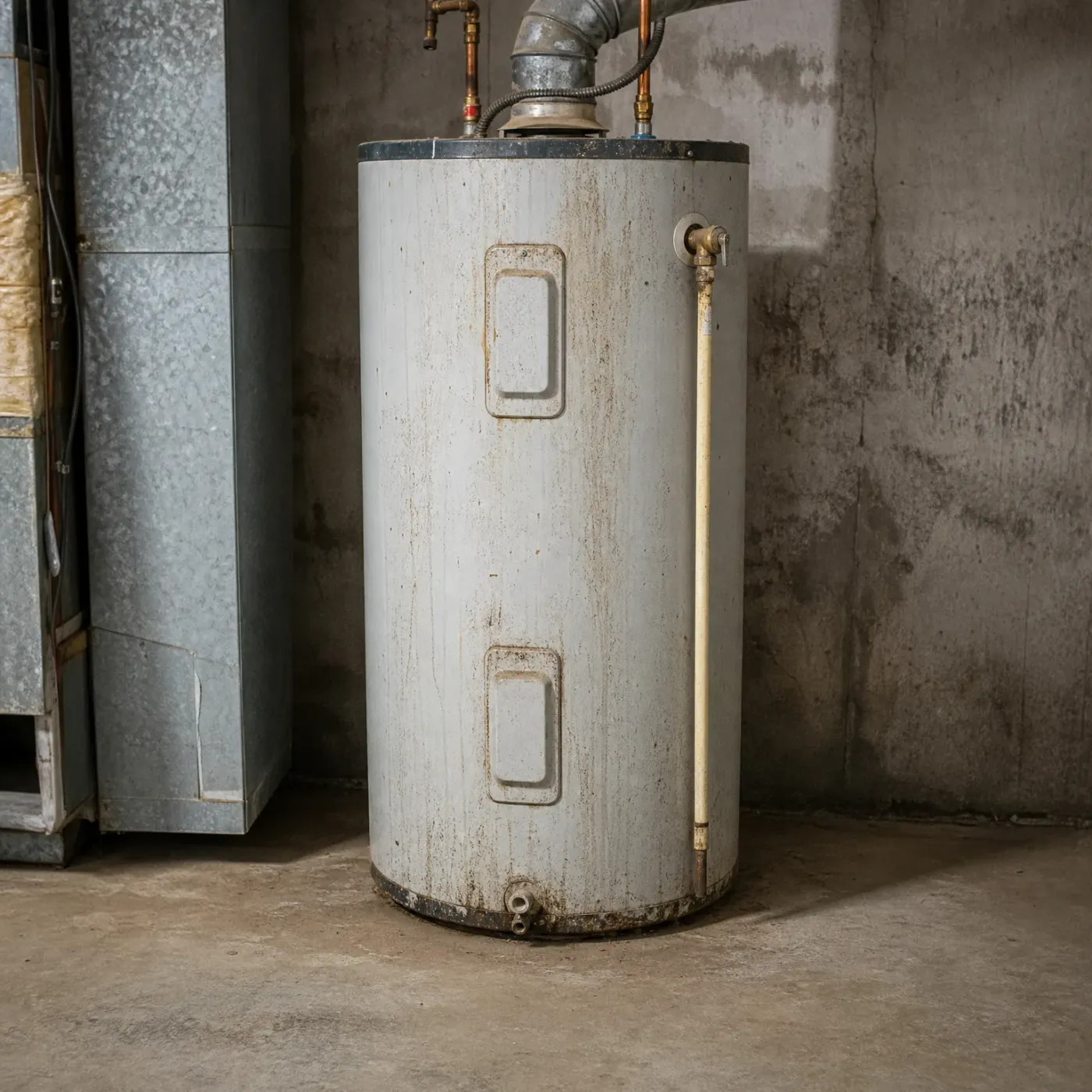
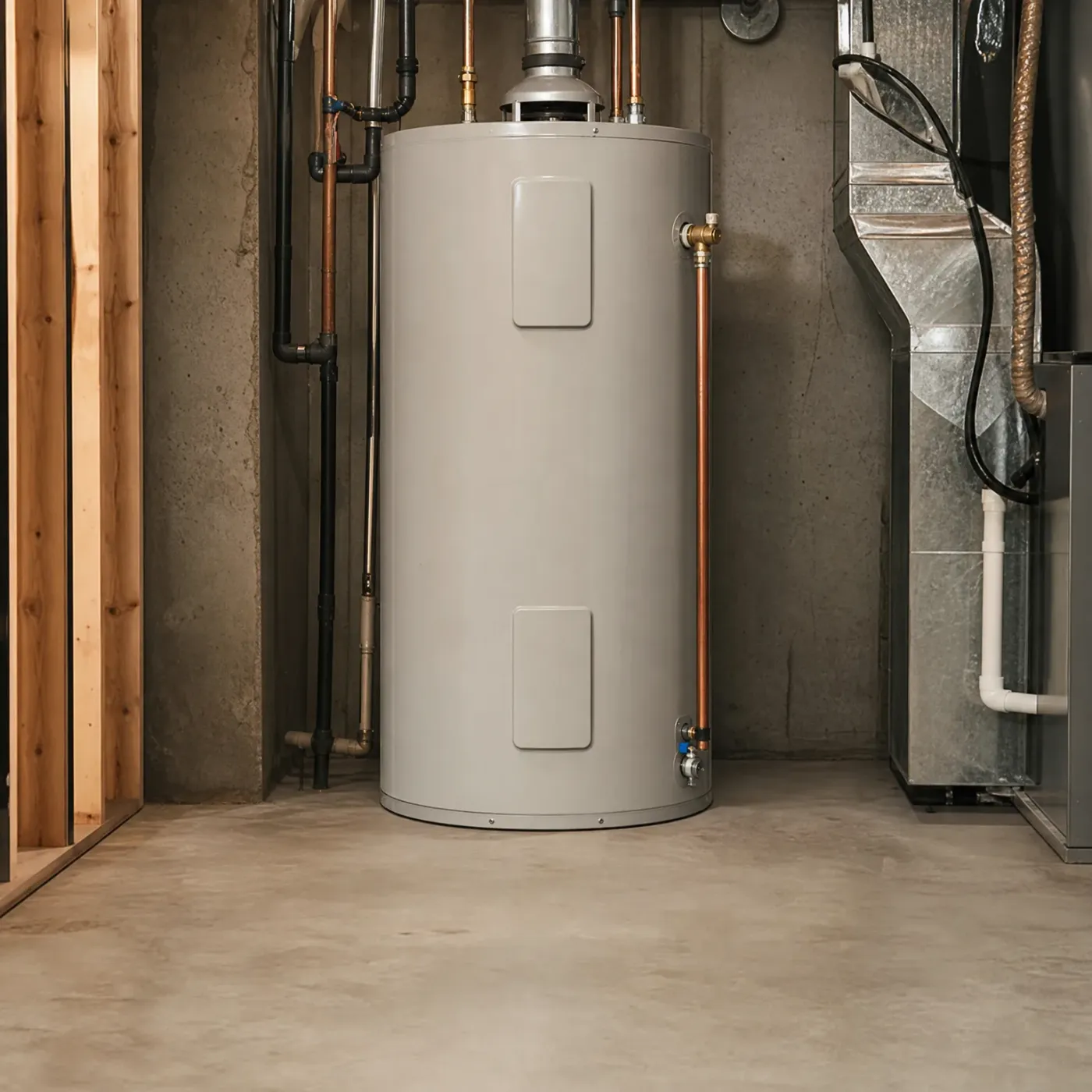
59.9% of homes statewide heat with electricity
With most Arizona homes running on electric water heaters, that popping almost always traces back to a heating element buried under sediment, not a gas burner. The element sits right against the scale, so it's often the first part worth having a contractor check.
ACS 2020-2024 5-year B25040

Popping means sediment, and sediment means a choice
The sound is hardened mineral scale sitting on your heating element, trapping water that turns to steam and pushes up through the layer. That's it. It's not the tank failing in the moment, and it's not dangerous right now, but it also doesn't go away by itself. Arizona water leaves that layer behind, and it only gets thicker.
What you don't have to do is figure out on your own whether yours still has some life left in it or whether the element's already struggling under there. A contractor who works on these tanks every week can look at yours and tell you where it stands, and you won't have to call around to find one, explain the popping twice, or sort through quotes to know who's worth having out. You'll be matched with someone who handles this in Arizona homes, and they'll reach out to you directly.





Water Heater Repair
Get the right pro for your water heater
Describe your water heater job once, to one pro.