Tell us about the job
Takes about a minute. No obligation.
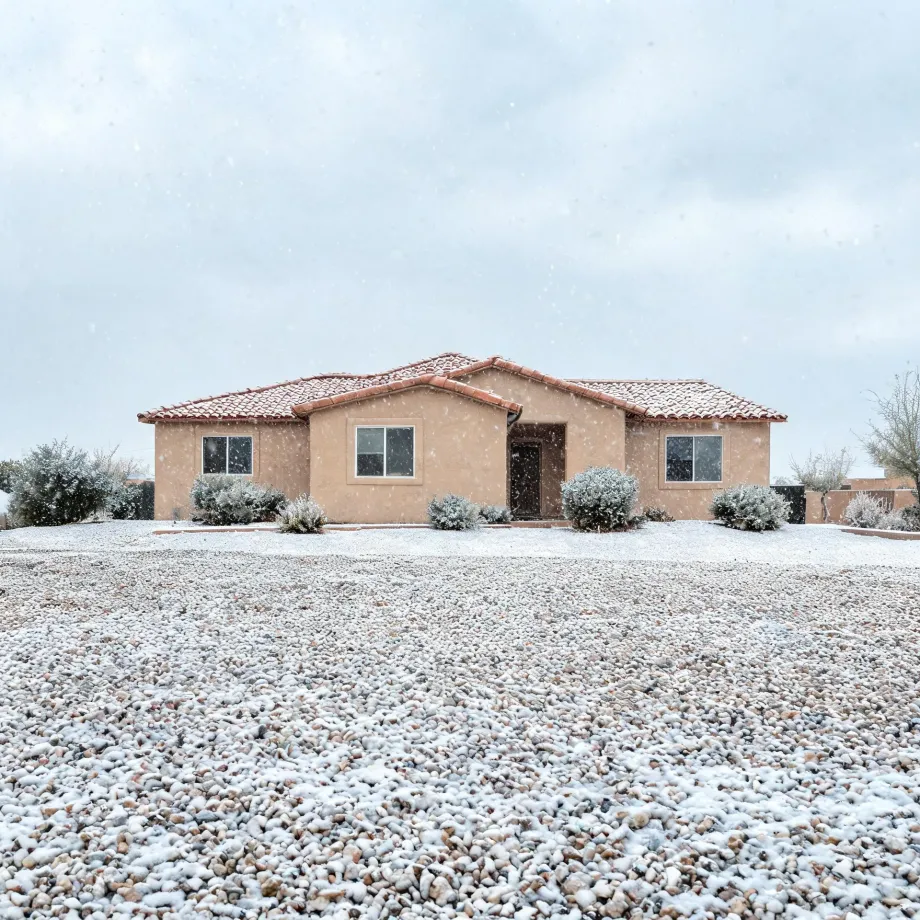
Gas water heater installations in Yavapai County are not a swap-and-go job. Utility gas heats more occupied homes in Yavapai County, Arizona than any other fuel, at 49.2% (2020-2024 ACS 5-year). A contractor sizing a replacement has to inspect the existing flue, confirm the combustion air supply to the space, and verify that the venting configuration meets current code before the new unit goes in. A gas-fired tank or tankless heater draws from the same supply as the furnace or range, and an undersized or improperly vented installation puts both efficiency and safety at risk from day one.
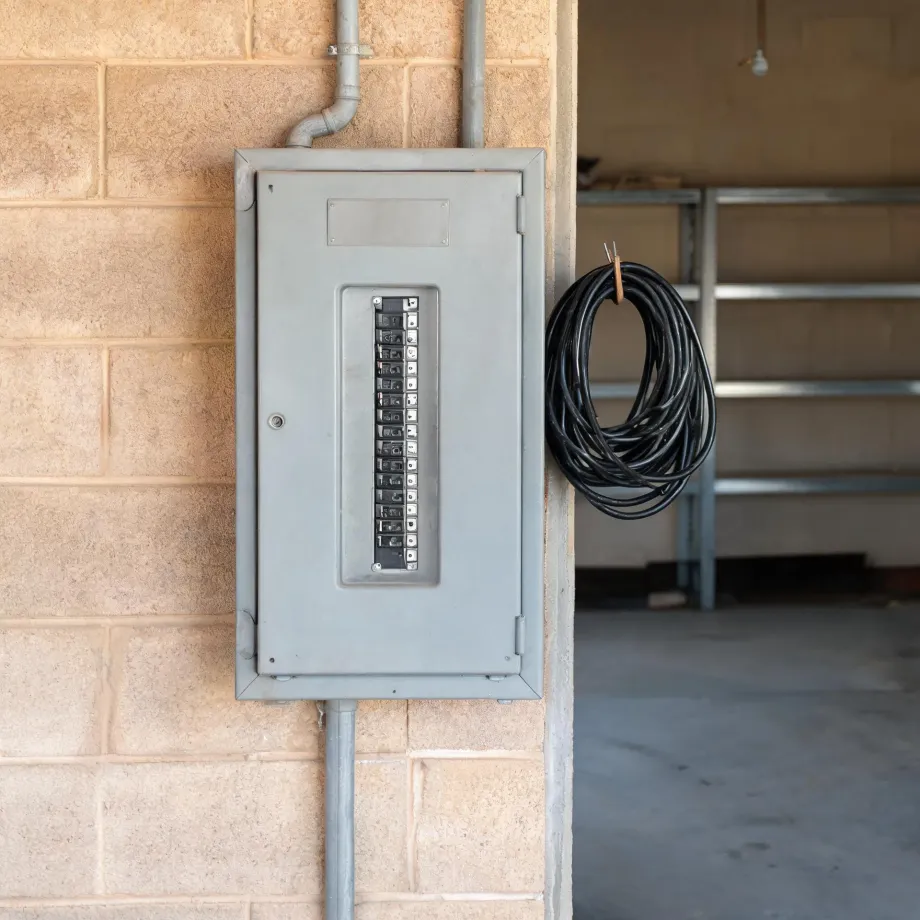
Water heater installation in a house here often turns on one question: what the existing electrical service will actually support. Half the homes in Yavapai County, Arizona were built in 1995 or earlier (2020-2024 ACS 5-year). Service panels in houses of that vintage were commonly sized for lower-draw equipment, and a new water heater, particularly a heat pump unit, pulls more than many of those panels were set up to handle. A contractor working a job in this county quotes the panel before the unit, because the panel is where the schedule and the cost land.
What a Water Heater Installation Covers
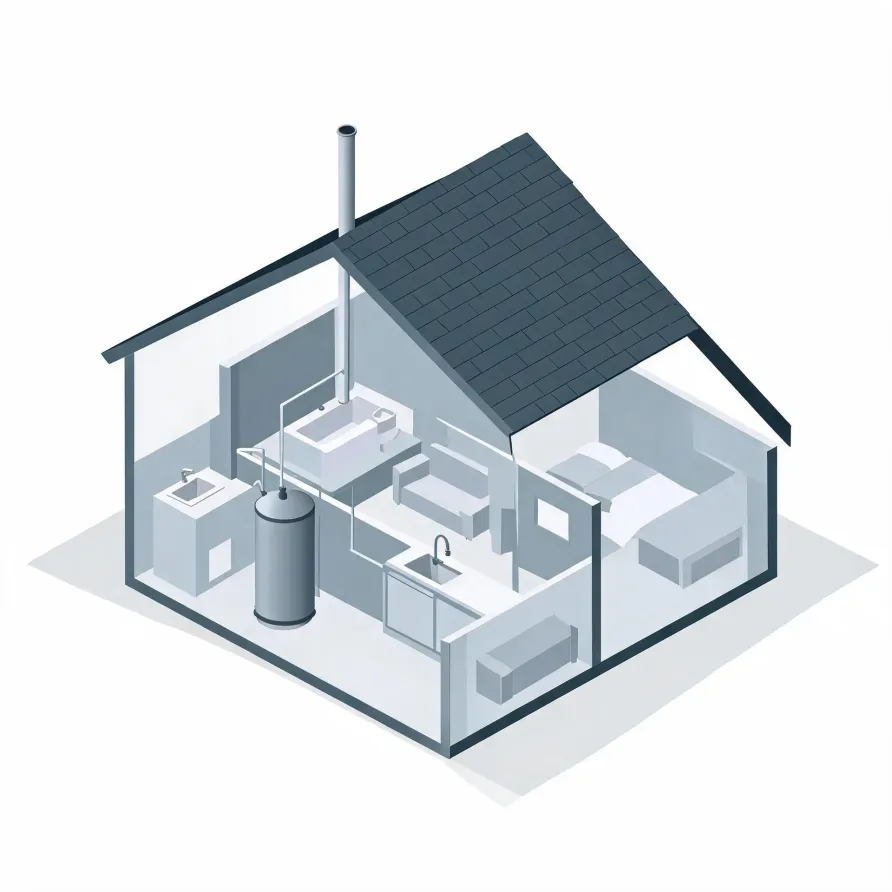
The tank or tankless unit is the heart of the system, mounted in a utility space, garage, or mechanical closet depending on the house. A cold-water supply line feeds into it, and a hot-water line carries the heated water out to every fixture. A pressure-relief valve sits on the unit itself as a safety device.
A flue or exhaust vent runs from the unit to an exterior wall or the roof, carrying combustion gases out of the living space. The gas supply line or dedicated electrical connection ties into the unit at the point of installation, and a drain pan sits beneath the unit to catch any overflow.
The drawing shows a typical layout, and a licensed contractor determines what applies to this specific house and its existing connections.
Find a contractor in Yavapai CountyYavapai County by the Numbers
180 severe weather events were recorded in Yavapai County, Arizona between 2015 and 2024.
NOAA National Centers for Environmental Information, Storm Events Database, bulk CSV export, events 2015-01-01 through 2024-12-31.Half the homes in Yavapai County, Arizona were built in 1995 or earlier (2020-2024 ACS 5-year).
U.S. Census Bureau, 2020-2024 American Community Survey 5-Year EstimatesYavapai County, Arizona holds 126,095 housing units (2020-2024 ACS 5-year).
U.S. Census Bureau, 2020-2024 American Community Survey 5-Year EstimatesOwners occupy 75.1% of the occupied homes in Yavapai County, Arizona (2020-2024 ACS 5-year).
U.S. Census Bureau, 2020-2024 American Community Survey 5-Year EstimatesSevere Weather Events in Yavapai County
Yavapai County's climate puts real demands on water heaters, which work harder when ambient conditions swing wide. How often severe weather hits the area shapes how contractors size and install equipment built to hold up here.
180 severe weather events, 2015–2024. Source: NOAA National Centers for Environmental Information, Storm Events Database.