Tell us about the job
Takes about a minute. No obligation.
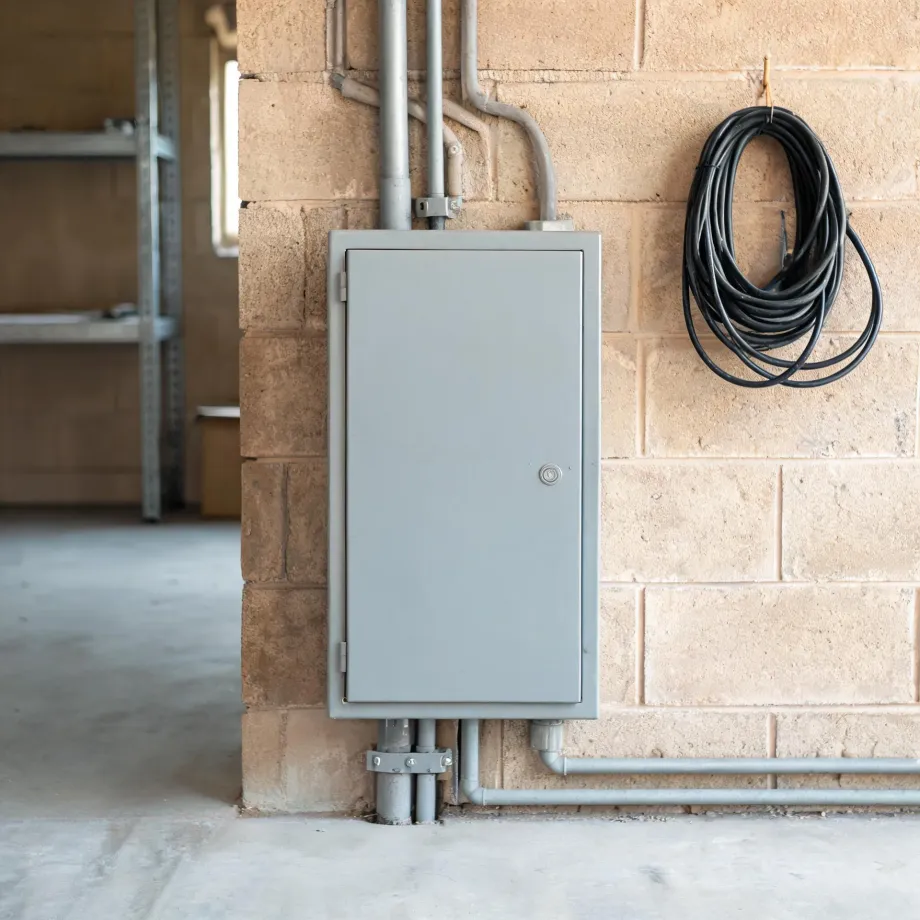
What a contractor has to settle before a water heater gets sized in Yuma County is whether the house can handle it electrically. Electricity heats more occupied homes in Yuma County, Arizona than any other fuel, at 72.9% (2020-2024 ACS 5-year). With electricity running the water heating in nearly three out of four occupied homes here, the service panel and the existing wiring are part of the installation question, not an afterthought. A unit rated for the load in this house may require a dedicated circuit or a breaker upgrade. The contractor prices that work before the equipment goes in.
Ductwork and plumbing runs that were sized and routed for equipment no longer in service set the real conditions for a water heater installation. Half the homes in Yuma County, Arizona were built in 1995 or earlier (2020-2024 ACS 5-year). That puts a contractor in houses where the existing infrastructure reflects decisions made for a different unit, and what a new heater can do depends on whether those runs can carry it without modification. If they cannot, the scope of the job changes before the new equipment is even priced.
The Parts of a Water Heater an Installation Covers
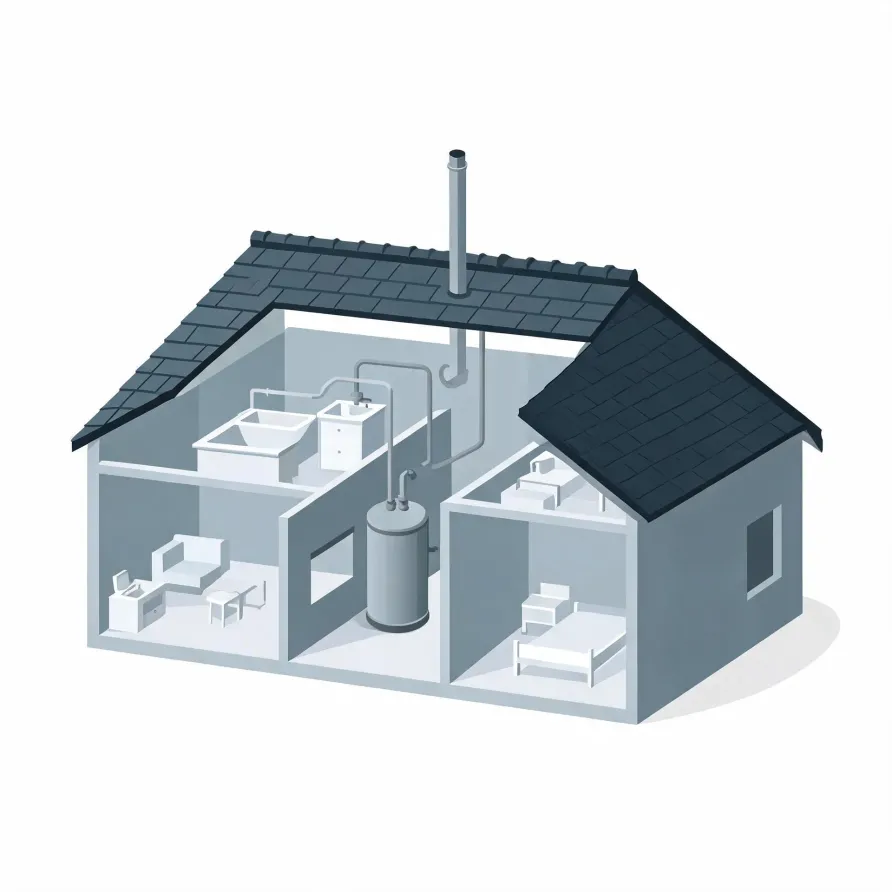
The tank is the centerpiece, sitting in a utility space, garage, or closet, and it holds and heats the water the house draws on. Attached directly to it are the inlet and outlet connections, which bring cold water in and send hot water to every fixture. The pressure relief valve mounts on the tank's side as a required safety fitting.
The supply lines run from the tank to the plumbing already in the walls, and the contractor ties the new unit into those existing runs. A drain line also connects to the relief valve and terminates at a safe discharge point nearby. Where the unit is gas-fired, a flue or vent pipe exits the top of the tank and runs to an outside termination point.
The drawing shows a typical layout, and a licensed contractor determines exactly what applies to this house's configuration.
Find a contractor in Yuma CountyYuma County, by the numbers
63 severe weather events were recorded in Yuma County, Arizona between 2015 and 2024.
NOAA National Centers for Environmental Information, Storm Events Database, bulk CSV export, events 2015-01-01 through 2024-12-31.Half the homes in Yuma County, Arizona were built in 1995 or earlier (2020-2024 ACS 5-year).
U.S. Census Bureau, 2020-2024 American Community Survey 5-Year EstimatesYuma County, Arizona holds 95,200 housing units (2020-2024 ACS 5-year).
U.S. Census Bureau, 2020-2024 American Community Survey 5-Year EstimatesOwners occupy 71.0% of the occupied homes in Yuma County, Arizona (2020-2024 ACS 5-year).
U.S. Census Bureau, 2020-2024 American Community Survey 5-Year EstimatesSevere Weather Events in Yuma County
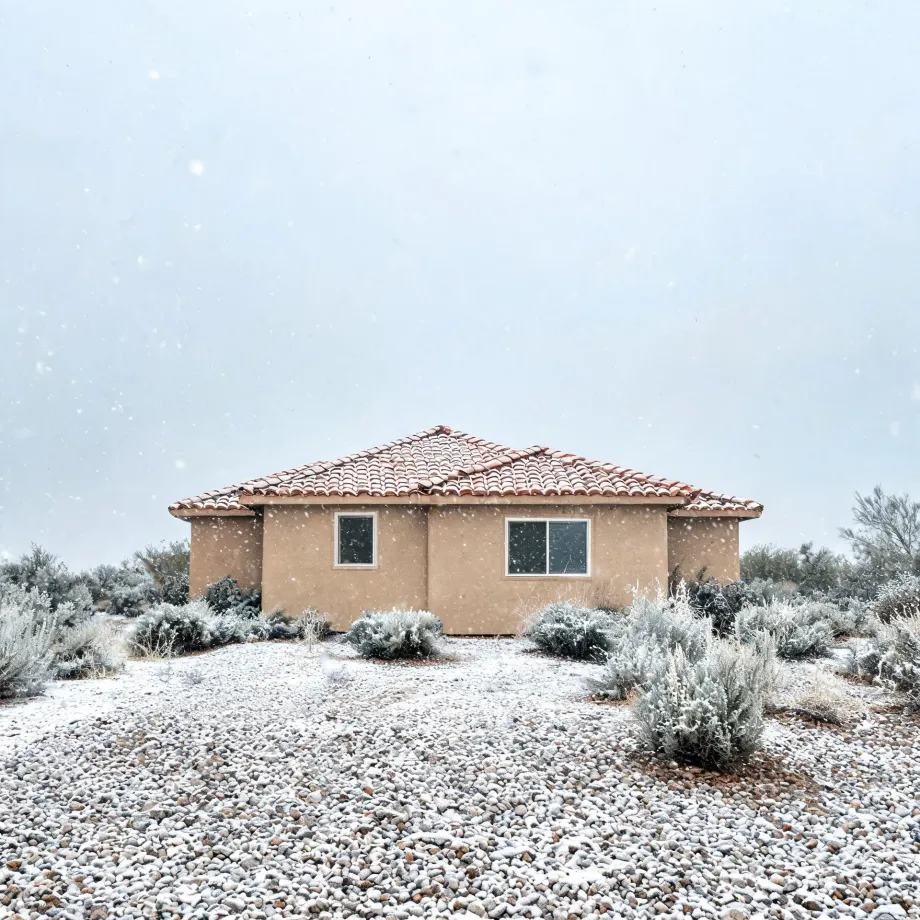
Extreme weather puts real demands on water heating equipment, and those demands are shaped by local conditions. What happens in Yuma County with heat, cold snaps, and sudden shifts tells a contractor what a water heater here will face over its working life.
63 severe weather events, 2015–2024. Source: NOAA National Centers for Environmental Information, Storm Events Database.